Luna 15
USSR · Sample return · 1969Failure
Failure: crashed in Mare Crisium on 21 July 1969 at about 15:50 UT, roughly two hours before Apollo 11 lifted off from the Moon, ending the Soviet attempt to return lunar soil before the Americans got home.
TL;DR· 6 min read
Luna 15 crashed in Mare Crisium on 21 July 1969 at about 15:50 UT, roughly two hours before Apollo 11 lifted off from the Moon. The Soviet Ye-8-5 robot had launched on 13 July to drill a sample of lunar soil and fly it back before Apollo 11 got home, so the first Moon rocks on Earth could still be Soviet. It reached lunar orbit on 17 July, a day before Eagle landed, then circled 52 times while controllers hesitated over the rough terrain below.
Luna 15 is usually described as a race to land on the Moon first, but by July 1969 the Soviets already knew Apollo 11 would beat them to the surface. The real gamble was smaller and sharper: an automatic Ye-8-5 station sent to scoop up soil and rush a capsule back to Earth before Apollo 11 splashed down, so the USSR could claim the first Moon rocks even after losing the landing. It reached lunar orbit the day before Armstrong and Aldrin touched down, circled 52 times while Soviet controllers hesitated over the rough terrain below, and then crashed on its descent while the Apollo 11 crew was still on the surface.
Facts as of July 20, 2026, from the sources listed below.
0g
of lunar soil returned: the descent ended in a crash
52
lunar orbits before the failed landing attempt
~2 h
before Apollo 11 lifted off from the Moon
~1,200km
from the Apollo 11 landing site, in Mare Crisium
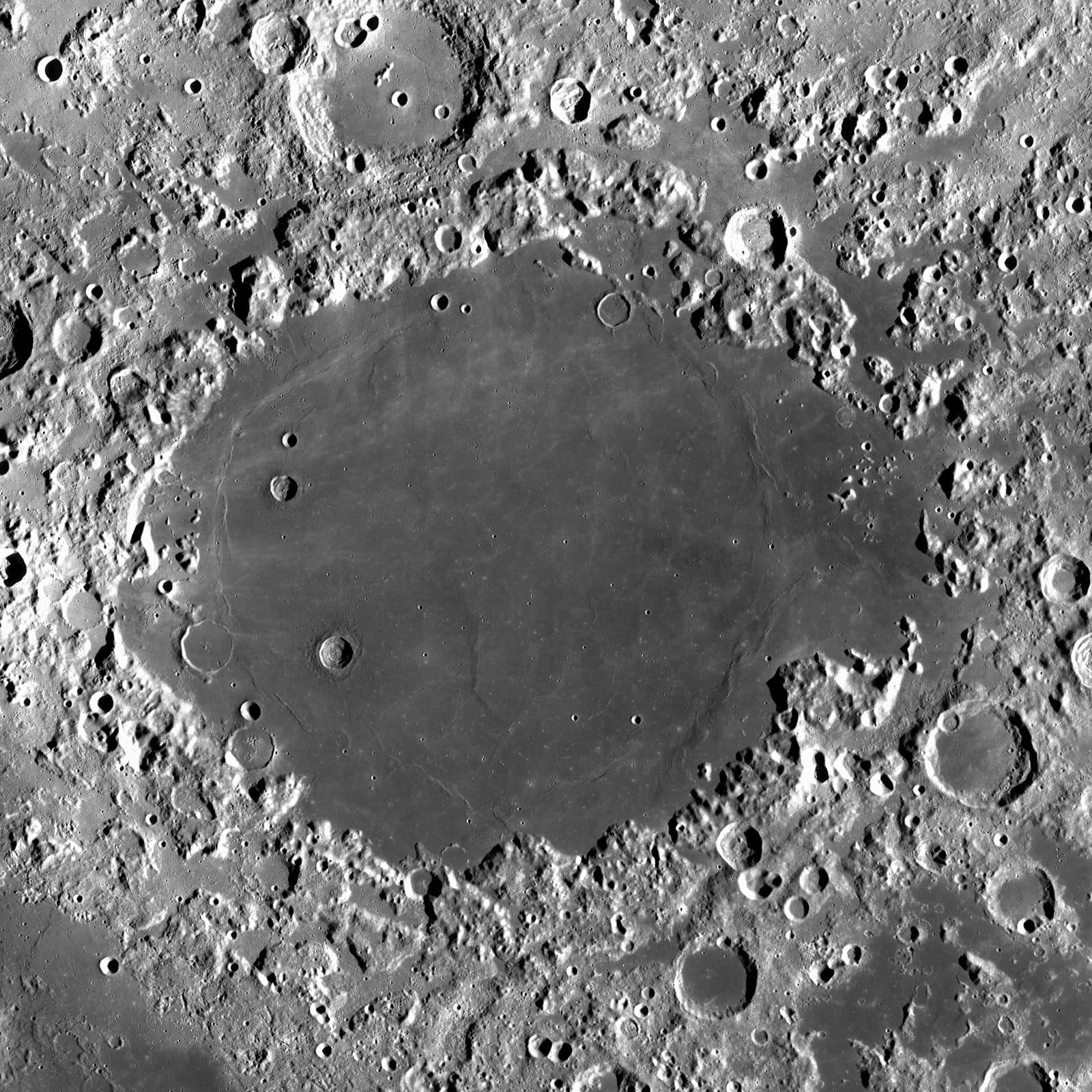
Commonly wrong. Two things get muddled. (1) Luna 15 was not racing to land on the Moon first: by mid-July 1969 the Soviets knew Apollo 11 would land days ahead of any Luna 15 touchdown. The genuine race was to grab a small soil sample and fly it home before Apollo 11 returned, so the headline could read that a robot brought back the first Moon rocks. (2) The dramatic 'it hit a mountain' story, popular because of the Jodrell Bank recording, is only a hypothesis and has never been confirmed: NASA's account attributes the crash to descending too fast after the engine fired at a wrong attitude, and unlike Luna 16 and Luna 24 the impact crater has never been located from orbit, so the 17 N, 60 E point is a published estimate rather than an imaged site.
01Mission facts
Launch
13 July 1969, 02:54:42 UTC, on a Proton-K/Blok D from Baikonur (Site 81/24); vehicle Ye-8-5 no. 401↗
Spacecraft
Ye-8-5 robotic sample-return station, 5,667 kg at launch, 2,718 kg dry; same design family as the later successful Luna 16, 20 and 24↗
Objective
Land, drill lunar soil, and return a capsule to Earth before Apollo 11 got home, so the USSR could claim the first lunar sample even after losing the crewed landing↗
Lunar orbit insertion
17 July 1969, one day before Apollo 11 landed; final orbit about 110 km by 16 km, inclination 127 degrees, period 1 h 54 min↗
Orbit operations
52 orbits of the Moon and 86 communication sessions; two orbit-correction burns lowered the perilune ahead of the landing attempt↗
Landing delayed
Soviet controllers held Luna 15 in orbit an extra day past the planned 20 July landing, uneasy about the ruggedness of the target site↗
Deorbit and loss of signal
21 July 1969: descent engine fired at 18:46:43 Moscow time (15:46:43 UT); signal ceased at 18:50:40 Moscow time (15:50:40 UT), about 237 seconds into the descent↗
Crash
Impacted Mare Crisium at about 15:50 UT, at a published point near 17 N, 60 E, roughly 1,200 km east-northeast of Tranquility Base↗
Probable cause
NASA's account: the craft descended at excessive speed, apparently because its attitude when the descent engine fired was off by several degrees; a competing account has it striking high ground in the mare↗
Unprecedented data exchange
Apollo 8 commander Frank Borman contacted Academician Mstislav Keldysh, who provided Luna 15's planned trajectory and confirmed its orbit did not cross Apollo 11's, the first such Soviet-American exchange↗
Jodrell Bank tracking
Bernard Lovell's team at Jodrell Bank tracked Luna 15 alongside Apollo 11; a recording of the control room during the crash was released publicly on 3 July 2009↗
Earlier attempt
The preceding Ye-8-5 no. 402 failed to reach Earth orbit at launch on 14 June 1969, one month before Luna 15↗
Site: 17.0000°N, 60.0000°E · Mare Crisium (Sea of Crises), impact point (published estimate; crater never located) (source)
02Mission timeline
14 Jun 1969
The preceding Ye-8-5 no. 402 fails to reach orbit at launch, leaving Luna 15 as the Soviet bid to upstage Apollo 11
13 Jul 1969
02:54:42 UTC: Launch on a Proton-K/Blok D from Baikonur, three days before Apollo 11
17 Jul 1969
Enters lunar orbit, a day ahead of Apollo 11's arrival at the Moon
18 Jul 1969
Frank Borman relays Luna 15's orbit from Academician Keldysh, who confirms it will not cross Apollo 11's path
19 to 20 Jul 1969
Two orbit-correction burns lower the perilune, but controllers postpone the landing past 20 July, wary of the terrain
21 Jul 1969
15:46:43 UT: Descent engine fires; signal is lost at 15:50:40 UT and Luna 15 crashes in Mare Crisium, about two hours before Apollo 11 leaves the Moon
3 Jul 2009
Jodrell Bank releases its control-room recording of the tracking and crash, forty years on
Teal dots: events that physically happened in flight or on the Moon. Grey: announcements, namings, contracts, and targets.
03The mission
Luna 15 flew on the losing side of a race that was already decided. Through the mid-1960s the Soviet Ye-8-5 program had been built to bring back lunar soil automatically, ideally before Apollo, but a run of launch and spacecraft failures, including the Ye-8-5 no. 402 that fell back to Earth on 14 June 1969, ate up the schedule. By the time Luna 15 lifted off on a Proton on 13 July 1969, three days ahead of Apollo 11, the goal had narrowed. It was no longer to land first, which everyone in Soviet mission control understood was lost, but to drill a sample and fly it home before Apollo 11 returned, so the first Moon rocks on Earth could still be Soviet.
It reached the Moon first. Luna 15 entered lunar orbit on 17 July, a full day before Eagle landed, and this proximity set off an unprecedented moment of Cold War contact. Worried the Soviet craft might interfere with Apollo communications, Apollo 8 commander Frank Borman, who had just visited the USSR, reached Academician Mstislav Keldysh, and Keldysh sent back Luna 15's planned trajectory with the assurance that its orbit did not cross Apollo 11's. It was the first time the Soviet Union had handed over live details of an active mission to the Americans.
Then came the hesitation. Luna 15 stayed up far longer than a straightforward mission needed, completing 52 orbits and 86 communication sessions while controllers studied the ground beneath it. Two orbit corrections lowered the perilune, but the landing planned for 20 July was postponed, apparently because the terrain in the target area looked too rough to trust. The delay meant Luna 15 was still circling overhead, silent and waiting, through the entire Apollo 11 landing and moonwalk.
The descent, when it finally came on 21 July, lasted only minutes. The braking engine fired at 15:46:43 UT, and the signal cut off at 15:50:40 UT, about 237 seconds later, at an estimated altitude of a few kilometres. NASA's reconstruction is that the spacecraft came down far too fast, its attitude off by several degrees when the engine lit; a more cinematic version, fed by the Jodrell Bank recording of controllers calling out that it was 'going down much too fast', has it slamming into high ground in Mare Crisium. Either way it hit near 17 N, 60 E, roughly 1,200 km from where Armstrong and Aldrin sat in the lunar module. The crew lifted off for home about two hours later.
At Jodrell Bank, Bernard Lovell's dish had been listening to both spacecraft at once, and the tape of that control room, released only in 2009, is the closest thing to a live soundtrack of the secret half of the Moon race: Apollo voices in the background, a rumour from Moscow that the Soviet craft is about to land, and then the sudden quiet of a crash. Luna 15 returned nothing, but the Ye-8-5 design it was testing would work: fourteen months later Luna 16 landed in Mare Fecunditatis and brought home 101 grams, and in 1976 Luna 24 finally returned soil from Mare Crisium itself, the sea that had swallowed Luna 15.
04In pictures
Tap a photo to enlarge.
05Sources
- NASA History: 50 Years Ago: National Goal Nears Fulfillment (Luna 15, Borman-Keldysh exchange, delay and crash)
- Wikipedia: Luna 15 (launch, spacecraft, 52 orbits, impact coordinates)
- Russian Wikipedia: Луна-15 (orbit parameters, Moscow-time deorbit and signal-loss times, Ye-8-5 no. 402)
- University of Manchester: Recording of USSR's lunar gatecrash attempt released (3 July 2009, crash at 15:50)
- Jodrell Bank: The Moon Landing and Jodrell Bank (Lovell's tracking of Luna 15 and Apollo 11)
- Jodrell Bank Centre for Astrophysics: Recording of Russia's lunar gatecrash attempt released
- Discover Magazine: Luna 15 Accompanied Apollo 11 to the Moon
azmth is independent and is not affiliated with or endorsed by NASA, CNSA, Roscosmos, ISRO, JAXA, or any other space agency or company named on this page.