Artemis III (Artemis 3)
Announced

TL;DR· 1 min read
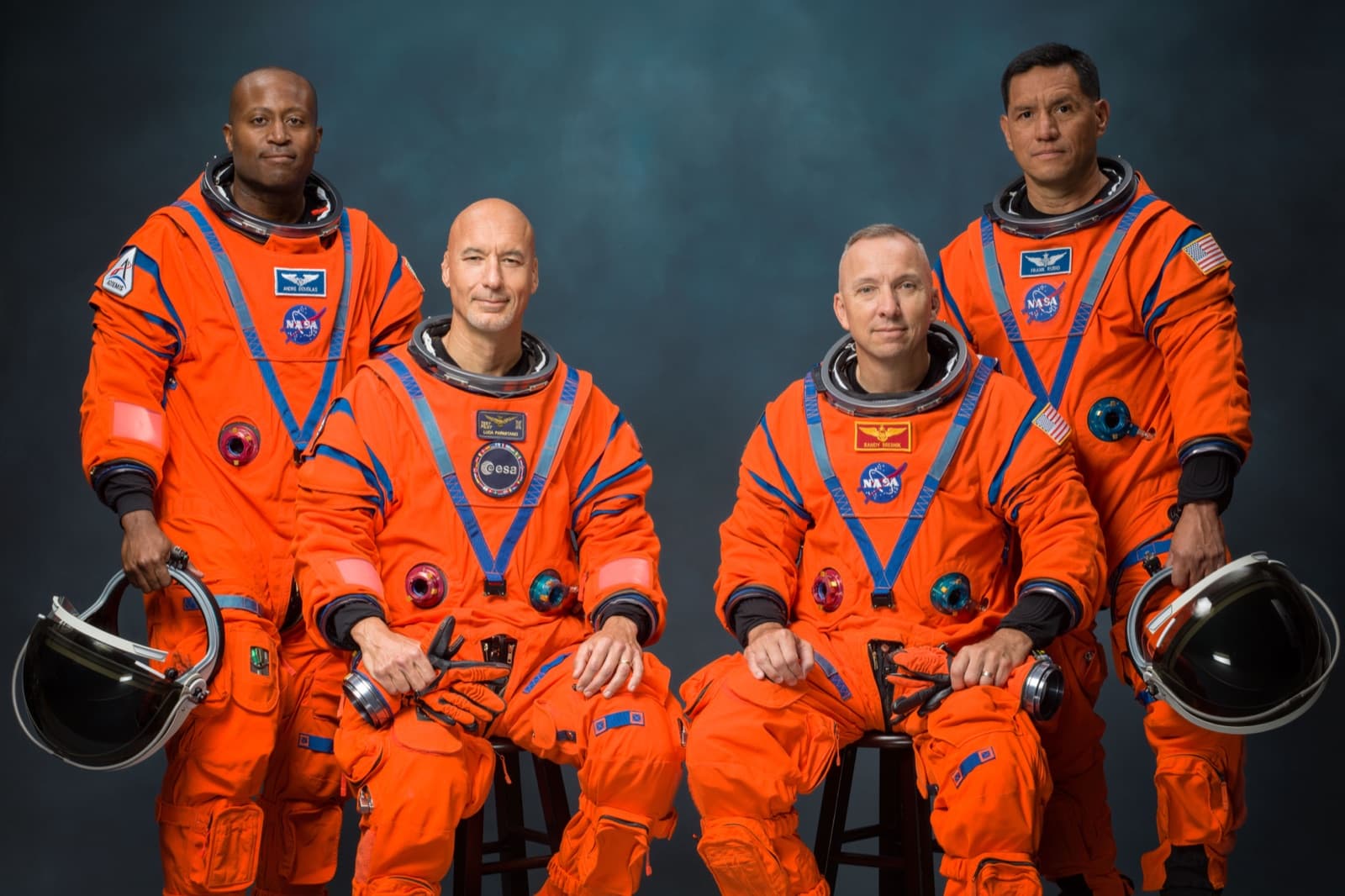
Artemis III is no longer the Moon landing. NASA redesignated it on February 27, 2026 as a crewed demonstration in low Earth orbit, targeted 2027 (as of September 28, 2026), with the first crewed landing moved to Artemis IV. Randy Bresnik, Luca Parmitano, Frank Rubio and Andre Douglas, named on June 9, 2026, will dock Orion to Blue Origin’s Blue Moon pathfinder for about two days and to SpaceX’s Starship pathfinder for about one day, practicing the rendezvous and docking a landing requires.
Artemis III is NOT the Moon landing. NASA redesignated it on February 27, 2026 as a crewed demonstration in low Earth orbit; the first crewed landing is now Artemis IV. Much of the web still describes the older plan.
Facts as of September 28, 2026, from the NASA sources listed below.
2027
Targeted launch
~2weeks
Duration
2
Lander pathfinders to dock
4
Crew
Targets are NASA's current plan (as of September 28, 2026) and can change.
Announced, not flown. Dates and details on this page describe NASA's current plan and can change; every claim carries its announcement date. The Artemis schedule has been restructured before (February 27, 2026).
01Mission facts
Orbit
Circular low Earth orbit, at a mission altitude that SLS and the rockets carrying both lander pathfinders can each reach in a single launch (per NASA, July 2026)
Vehicle
SLS with Orion, the first Orion to fly with a docking system installed; a spacer without propulsion takes the place of the rocket’s upper stage
Docking targets
About two days docked to Blue Origin’s Blue Moon pathfinder, then about one day docked to SpaceX’s Starship pathfinder (per the June 2026 crew announcement)
Backup crew
Bob Hines (NASA), pilot of SpaceX Crew-4
Recovery
Pacific Ocean splashdown, recovered by the U.S. Navy and NASA
02Crew (announced June 9, 2026)
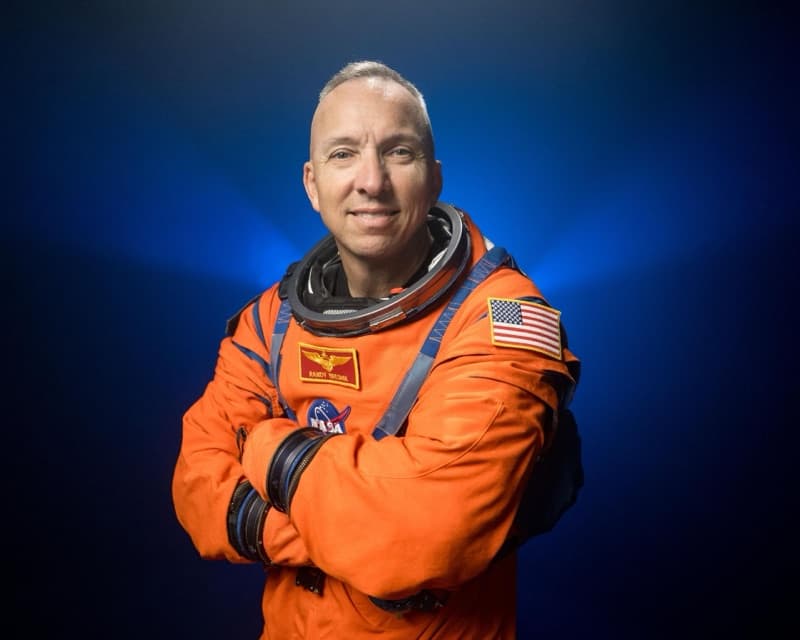

Randy Bresnik
Commander · NASA
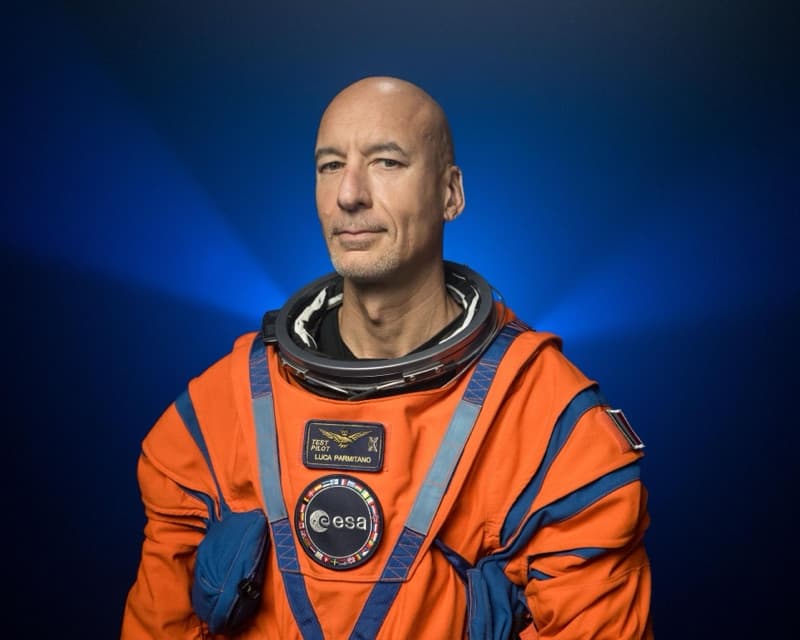

Luca Parmitano
Pilot · ESA
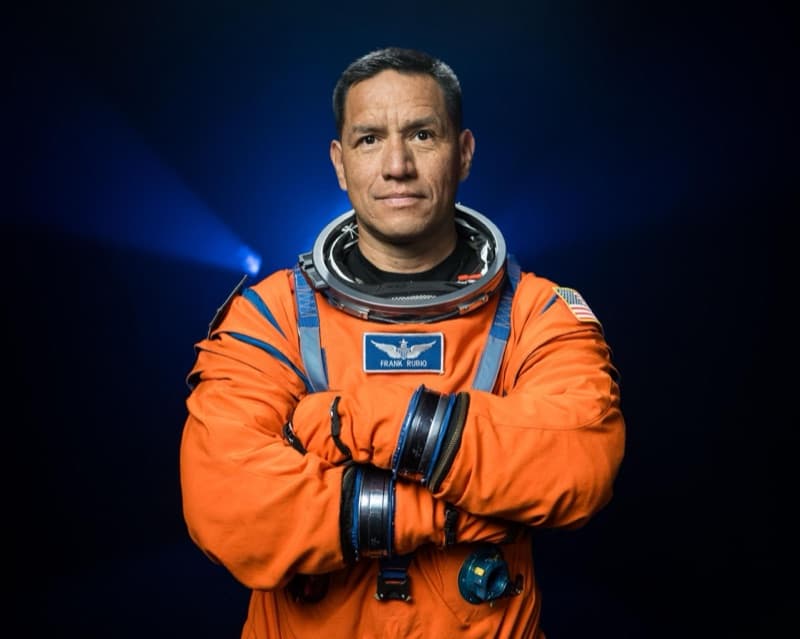
Frank Rubio
Mission Specialist · NASA
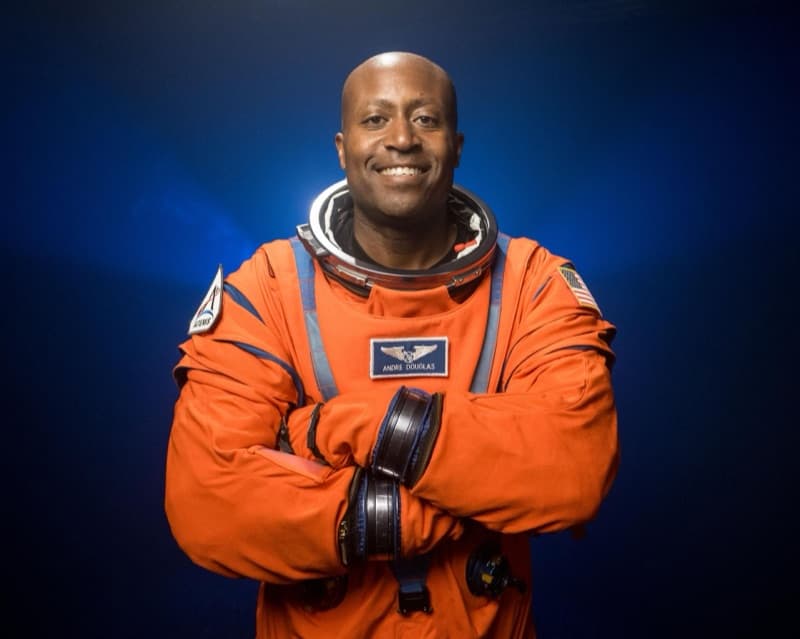
Andre Douglas
Mission Specialist · NASA
Portraits: NASA/Luna Posadas Nava.
03The mission
Under NASA’s February 2026 restructuring, Artemis III became a proving flight: Orion and its crew will practice, in low Earth orbit, the rendezvous and docking operations that a lunar landing requires, against test versions of the commercial landers.
The demonstration keeps crews flying while the landers mature, and NASA says lander readiness will determine which provider carries the crew on Artemis IV, the first Artemis landing.
The renumbering context: NASA restructured the Artemis campaign: Artemis III was redesignated as a crewed low Earth orbit demonstration, and Artemis IV became the first crewed lunar landing of the program. (NASA, February 27, 2026).
04What the demonstration will do
Blue Origin’s Blue Moon pathfinder launches first and can wait in orbit for multiple weeks; Orion will spend about two days docked to it. SpaceX’s Starship pathfinder then launches to meet Orion for about one day of docked operations. Up to two crew members will enter the Blue Moon test lander; NASA says astronauts will not enter the Starship test lander. Both docked phases test integrated hardware between Orion and the landers, including system interfaces, software, propulsion, and communications.
By late August 2026 NASA reported progress on each of the summer milestones named in the crew announcement: Orion’s crew and service modules had been joined and powered up together, technicians began installing the four RS-25 engines in the SLS core stage on August 24, and stacking of the solid rocket booster segments on the mobile launcher, begun in early July, was more than halfway complete (as of NASA’s August 27, 2026 update). All four engines flew on earlier space shuttle missions; engine 2048 helped launch Bresnik on STS-129 in 2009.
05The crew in brief
Artemis III will be Commander Randy Bresnik’s third flight; he commanded ISS Expedition 53. Pilot Luca Parmitano, the first ESA astronaut assigned to an Artemis mission, commanded ISS Expedition 61 as the first Italian to lead the station. Mission specialist Frank Rubio holds the American single-flight duration record of 371 days. Mission specialist Andre Douglas, on his first flight, served on the Artemis II backup and closeout crew.
06Sources
- NASA: Artemis architecture announcement (Feb 27, 2026)
- NASA: Artemis III crew announcement (June 9, 2026)
- NASA: Artemis III mission page
- NASA: preliminary Artemis III mission plans, upper stage spacer (May 13, 2026)
- NASA: how the Artemis III lander test will work (July 15, 2026)
- NASA: Artemis III engine install, boosters and crew training (Aug 27, 2026)
azmth is independent and is not affiliated with or endorsed by NASA.
Flag icons: circle-flags by HatScripts, MIT license.