Every mission to Venus
Ten spacecraft have landed on Venus and sent data from the surface, all of them Soviet: Venera 7 to 14 and Vega 1 and 2, between December 1970 and June 1985 (Landing on Venus, checked 26 September 2026). This catalogue has 34 pages, from the first attempts in 1961 to the orbiters and probes being built now: the flybys, the probes crushed on the way down, the landers that photographed the surface, the balloons, the failures, the missions announced for the years ahead and the ones that never flew. 11 carry an estimated position on Venus, because something got there. Every page lists its sources and the date its facts were checked.
Statuses checked from 26 September 2026 to 5 November 2026, each page with its own date. Filter by type, country or outcome, or switch to the timeline view.
34 of 34 pages
The first attempts 1961 to 1965
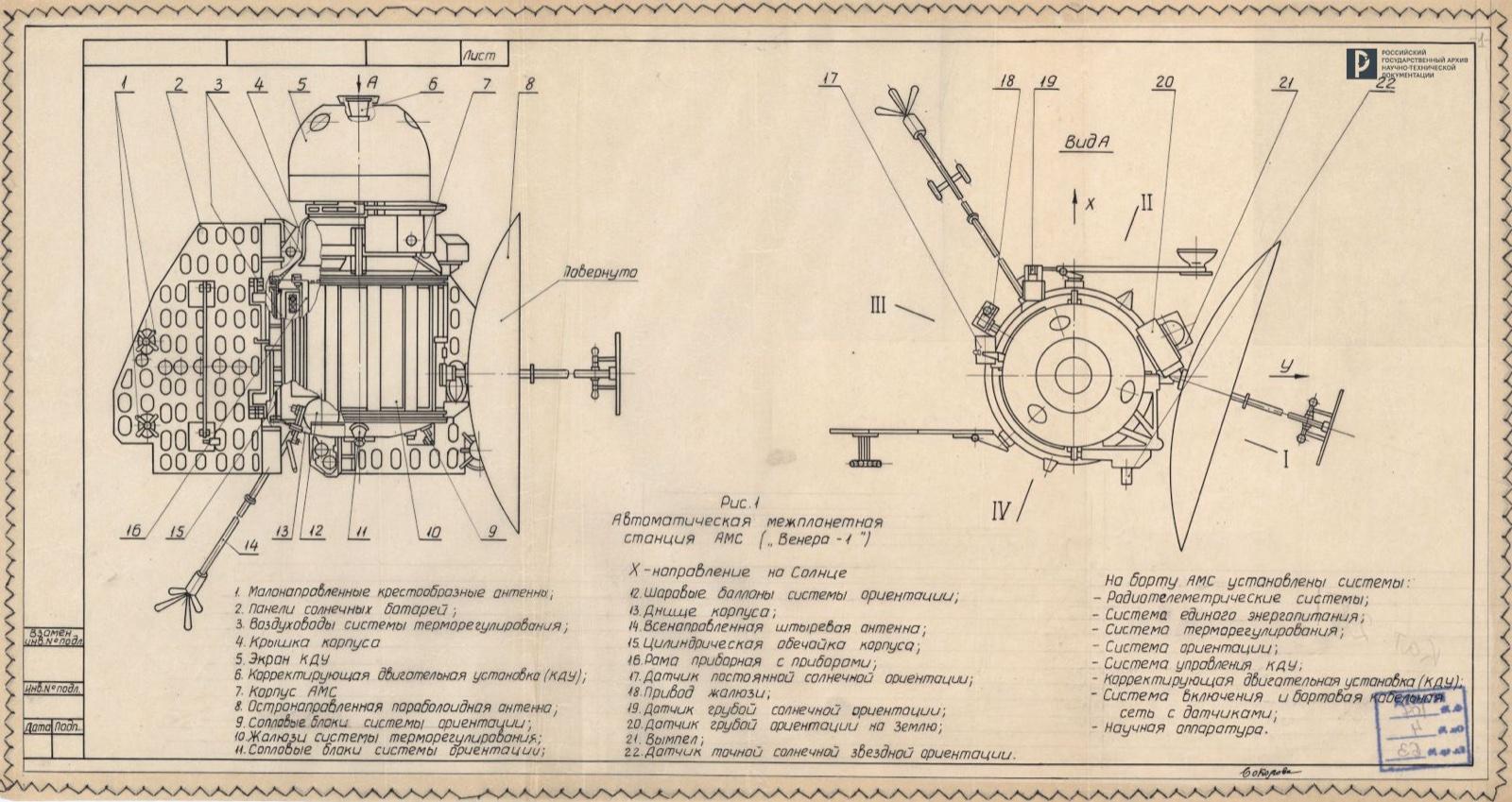
Venera 1 and Tyazhely Sputnik · 1961
OKB-1 (Korolev) · Flyby Failure
Both launches failed. The first probe never left Earth orbit and re-entered on 26 February 1961. Venera 1 has been silent since February 1961. It passed Venus unheard at about 100,000 km that May and went into orbit around the Sun.
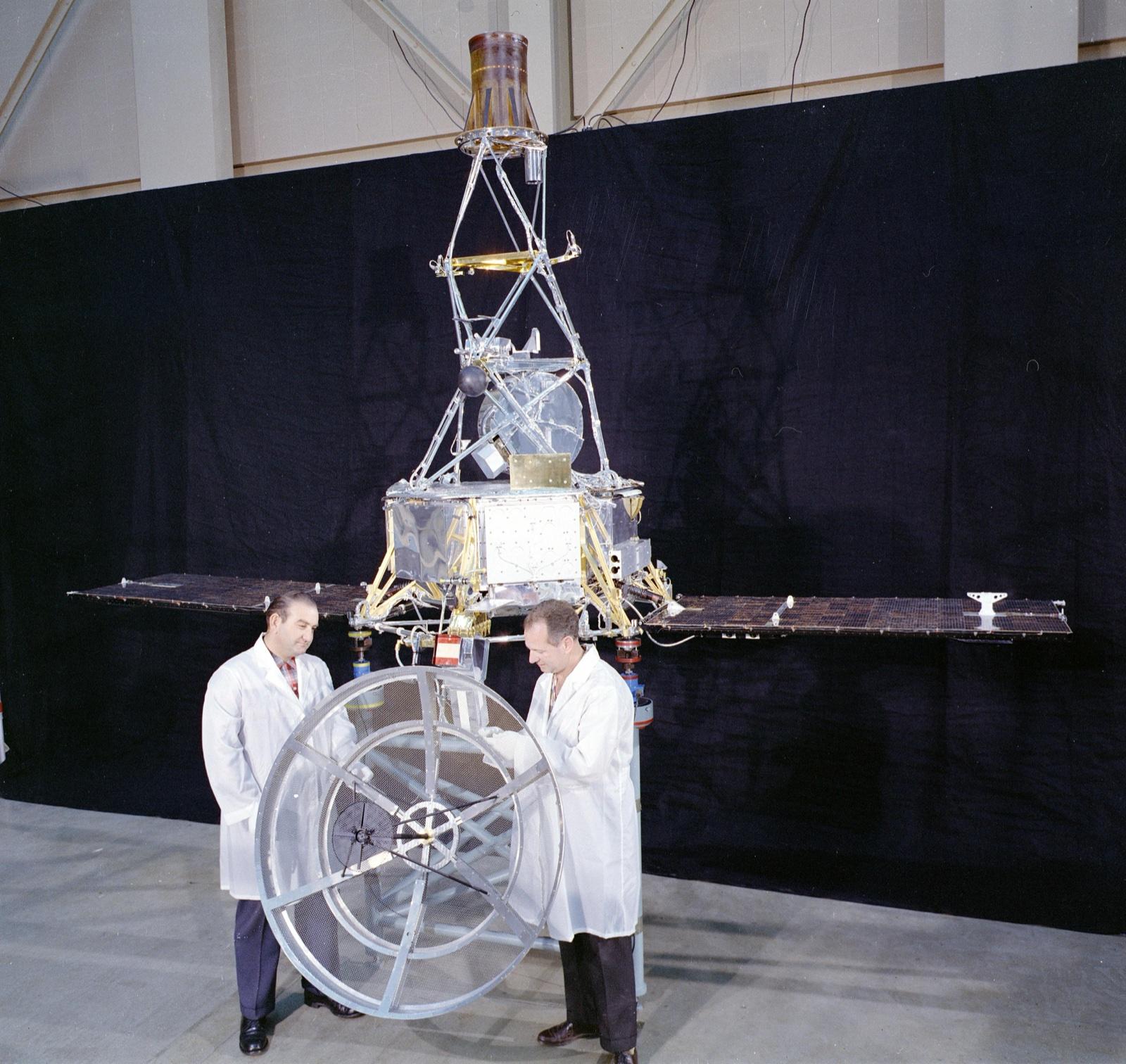
Mariner 1 and Mariner 2 · 1962
NASA and JPL · Flyby Success
Ended. Mariner 2 flew past Venus on 14 December 1962, was last heard from on 3 January 1963 and still circles the Sun. Mariner 1 was destroyed during launch on 22 July 1962. Mariner A, Mariner B and the 1959 Venus probes never went to Venus.
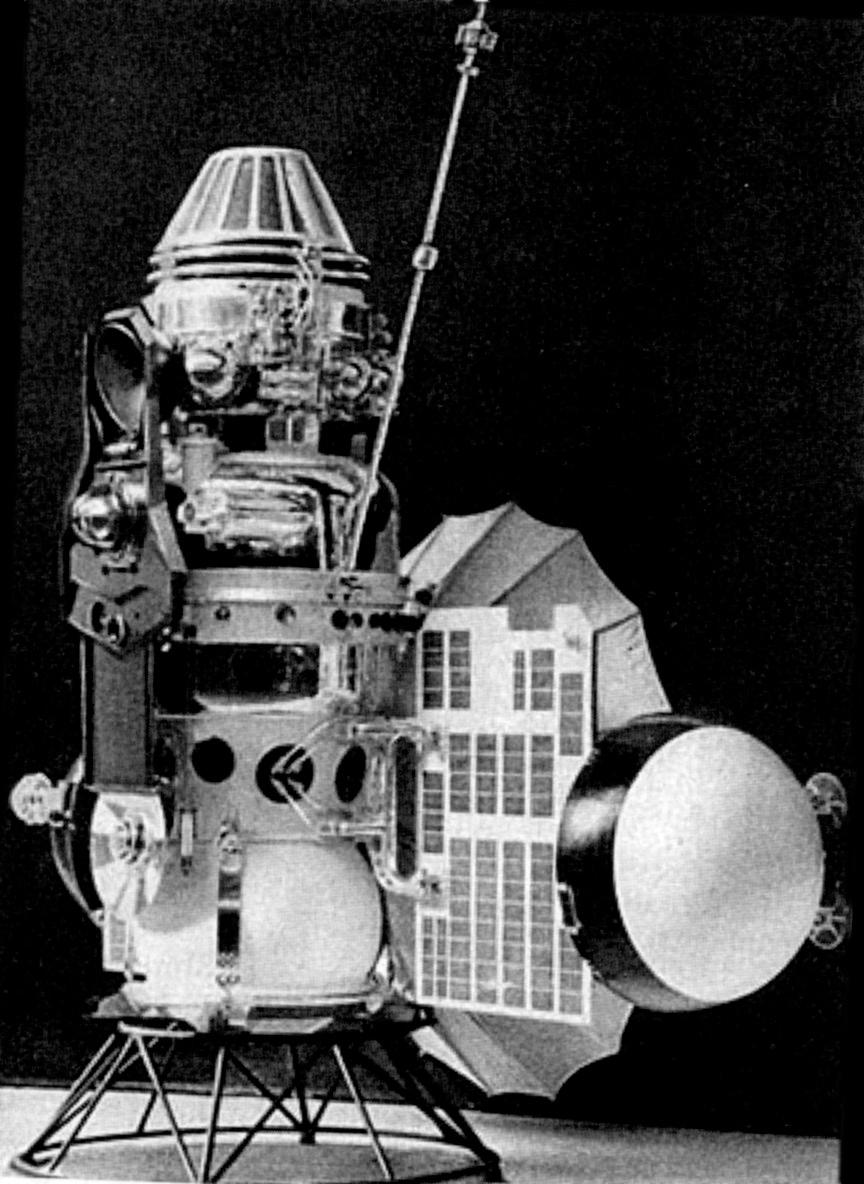
Zond 1 and the lost Soviet probes · 1964
OKB-1 (Korolev) · Flyby Failure
Ended in 1964. Zond 1 fell silent in late May and passed Venus without a word on 19 July; it remains in orbit around the Sun with its unused lander. It was the only one of seven Soviet Venus probes and test probes launched from 1962 to 1964 to leave Earth orbit.
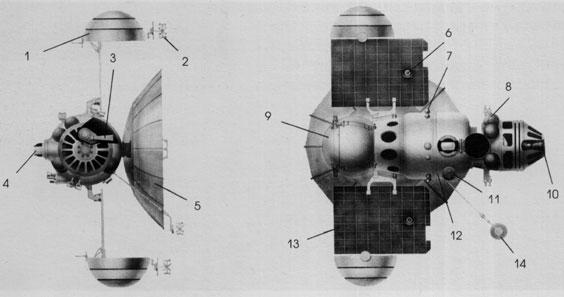
Venera 2 and Venera 3 · 1965
OKB-1 (Korolev) · Flyby Partial
Ended in 1966. Venera 2 flew past Venus in silence on 27 February 1966 and went on into orbit around the Sun. Venera 3 crashed into Venus on 1 March 1966, two weeks after its radio failed. Kosmos 96 never left Earth orbit.
Into the atmosphere 1967 to 1972
Mariner 5 · 1967
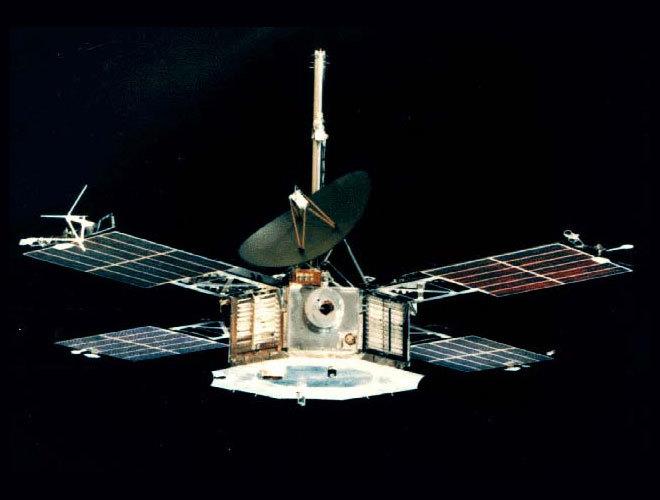
NASA and JPL · Flyby Success
Ended. Mariner 5 sent its last data on 4 December 1967, and NASA closed the project on 5 November 1968. The spacecraft is still in orbit around the Sun.
Venera 4 · 1967
Lavochkin design bureau · Atmospheric probe Success
Ended on 18 October 1967, when the capsule's signal was lost after 93 minutes under its parachute, 24 to 28 km above the surface. Its twin, Kosmos 167, never left Earth orbit.
Venera 5 and Venera 6 · 1969
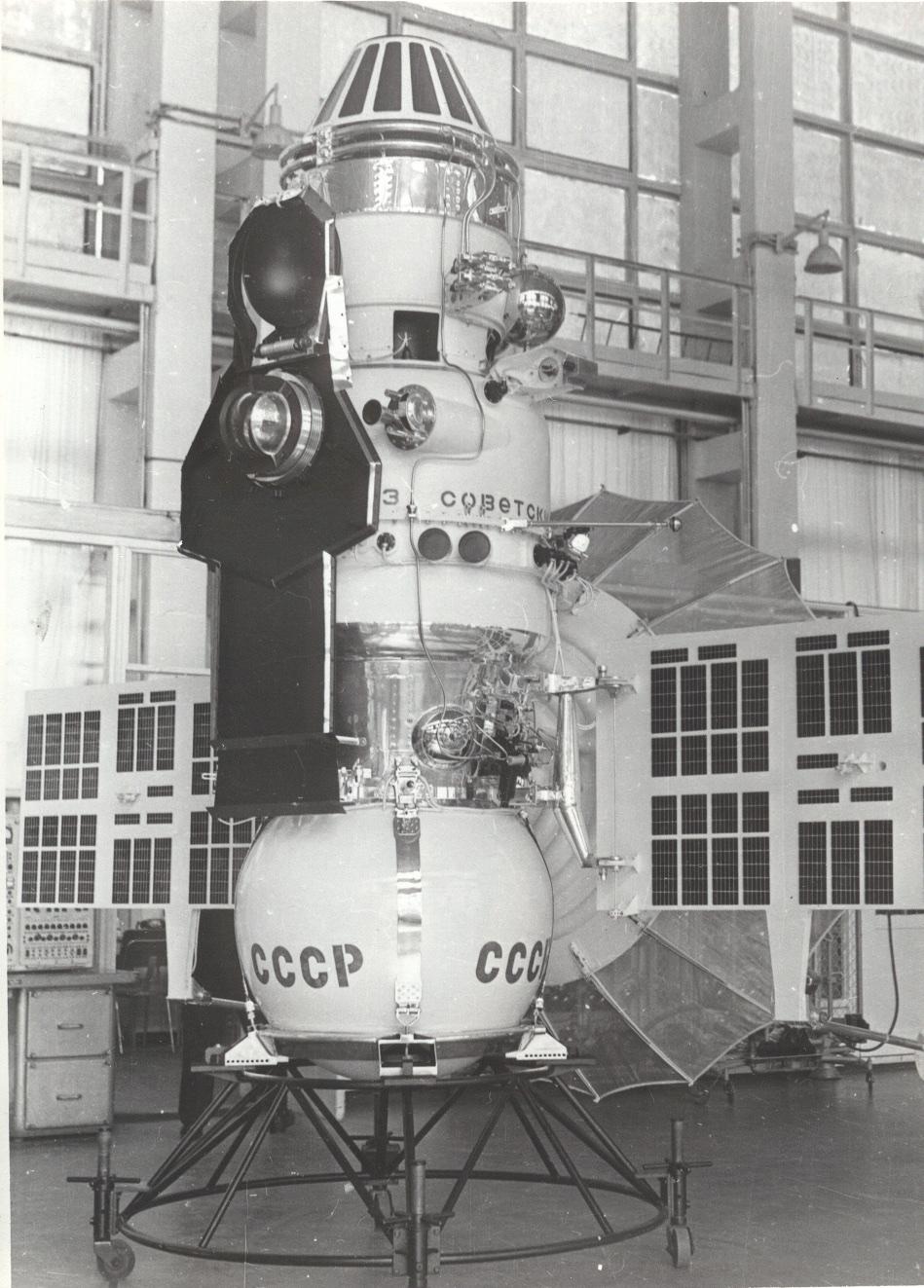
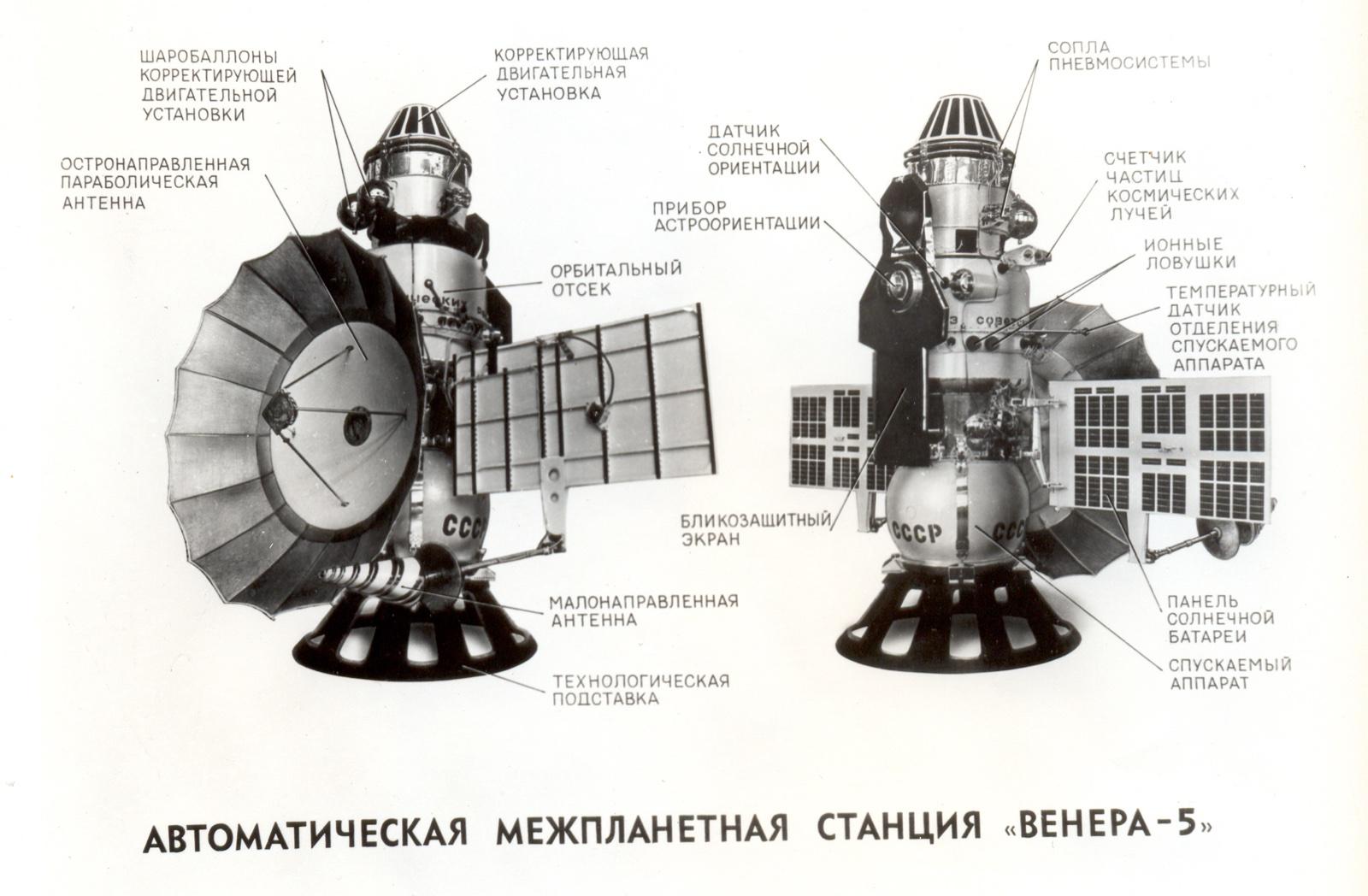
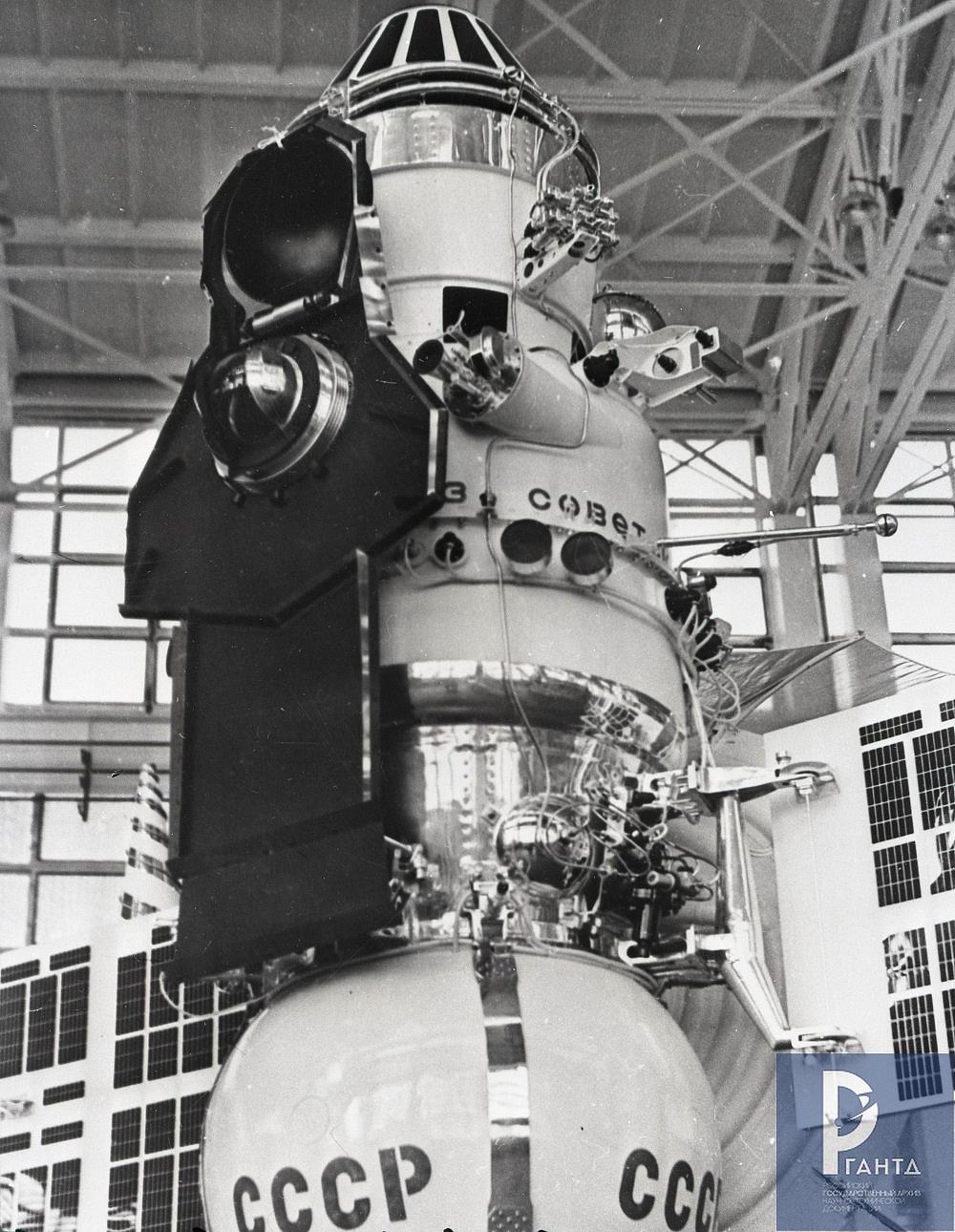
Lavochkin design bureau · Atmospheric probe Success
Ended on 16 and 17 May 1969. Each capsule sent about 50 minutes of data from under its parachute on the night side, then its signal was lost about 18 km above the ground when the pressure reached 27 atmospheres.
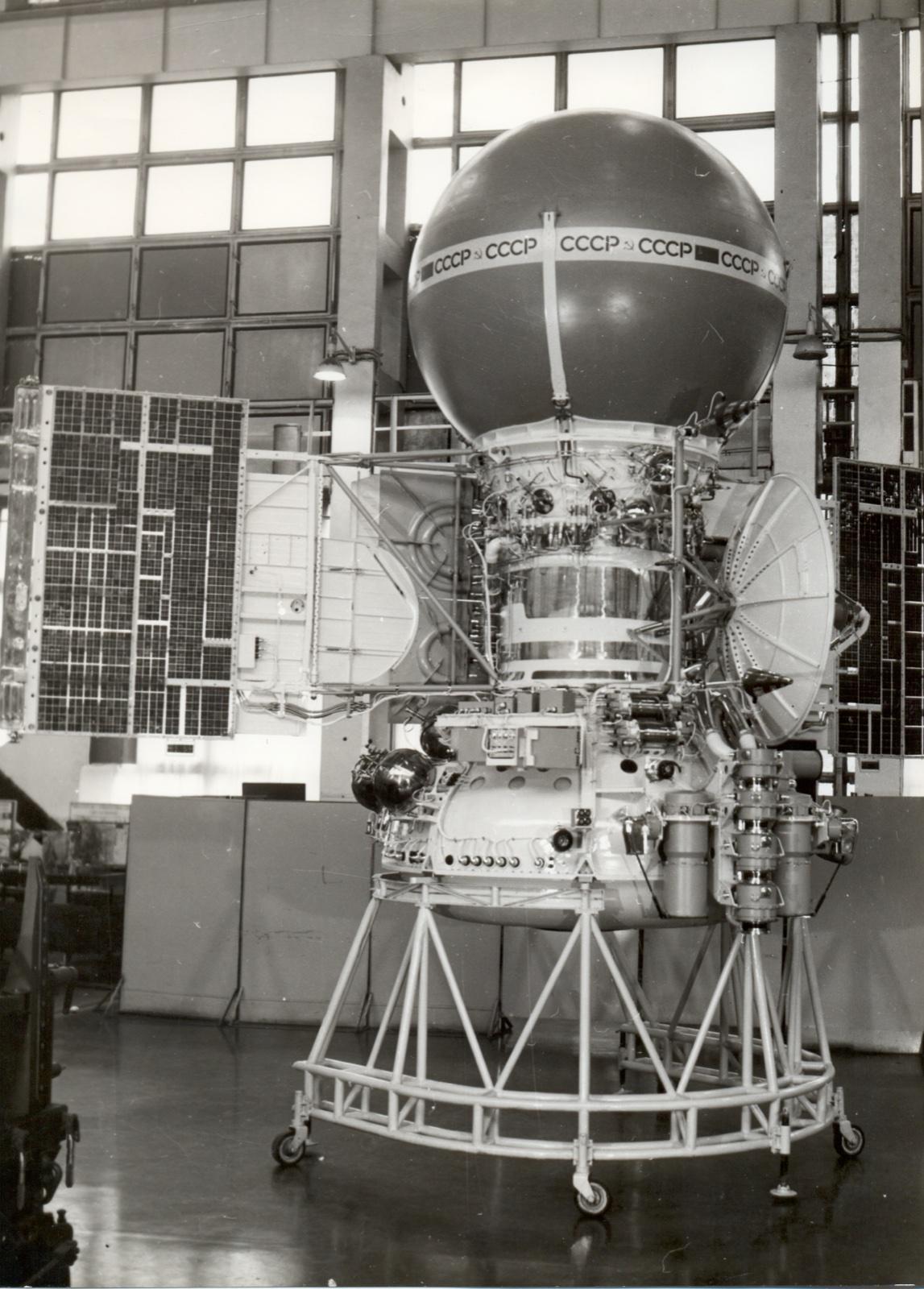
Venera 7 · 1970
Lavochkin design bureau · Lander Partial
Ended on 15 December 1970 with the last faint signal from the surface. The capsule lies where it landed in darkness, near 5 S, 351 E. Its twin, Kosmos 359, never left Earth orbit.
Kosmos 482 · 1972
Lavochkin design bureau · Lander Failure
Ended. Stranded in Earth orbit since 1972, the Venus lander fell back on 10 May 2025. Exactly where it came down is unknown, and no sighting or recovered piece has been reported.
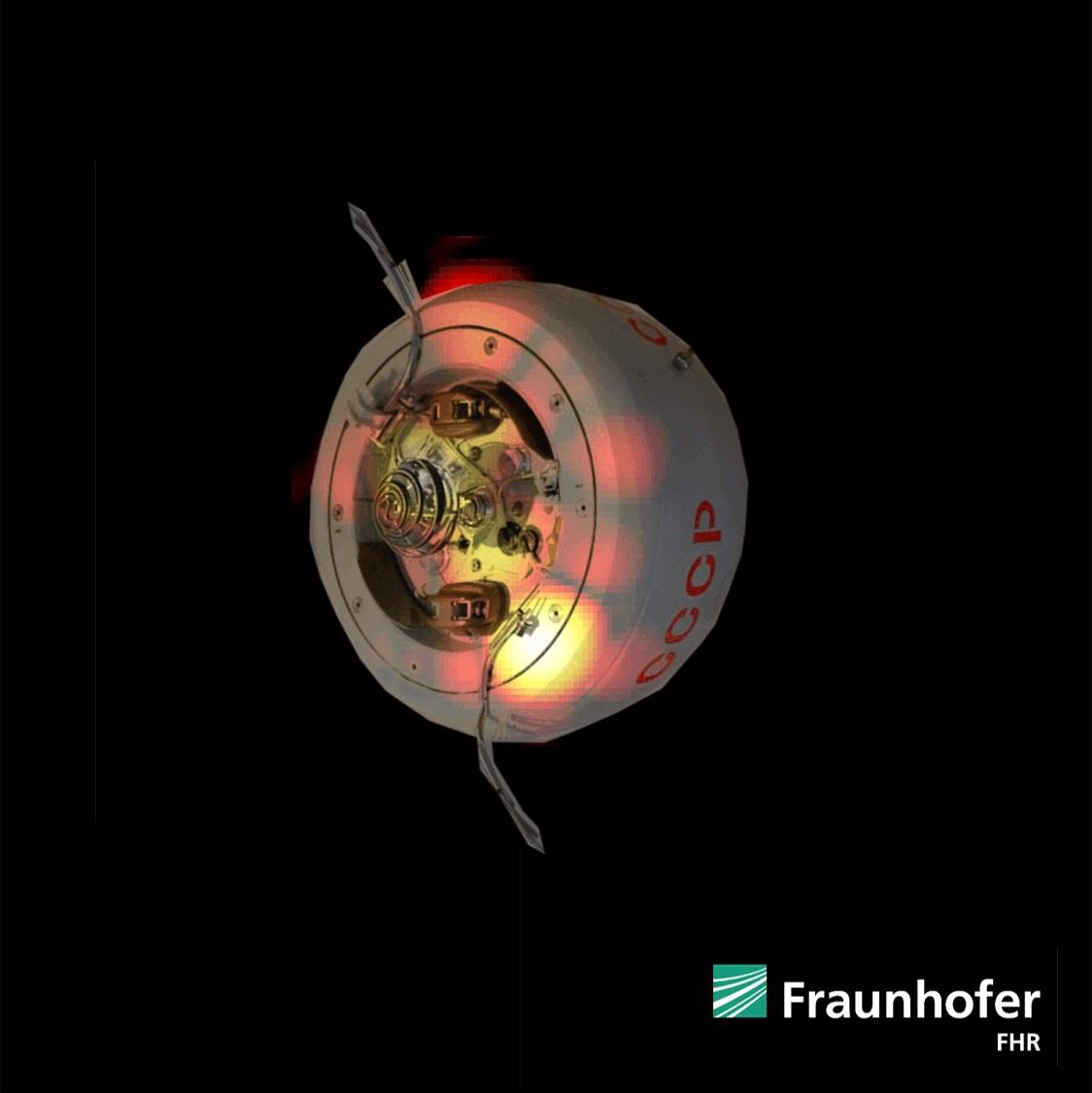
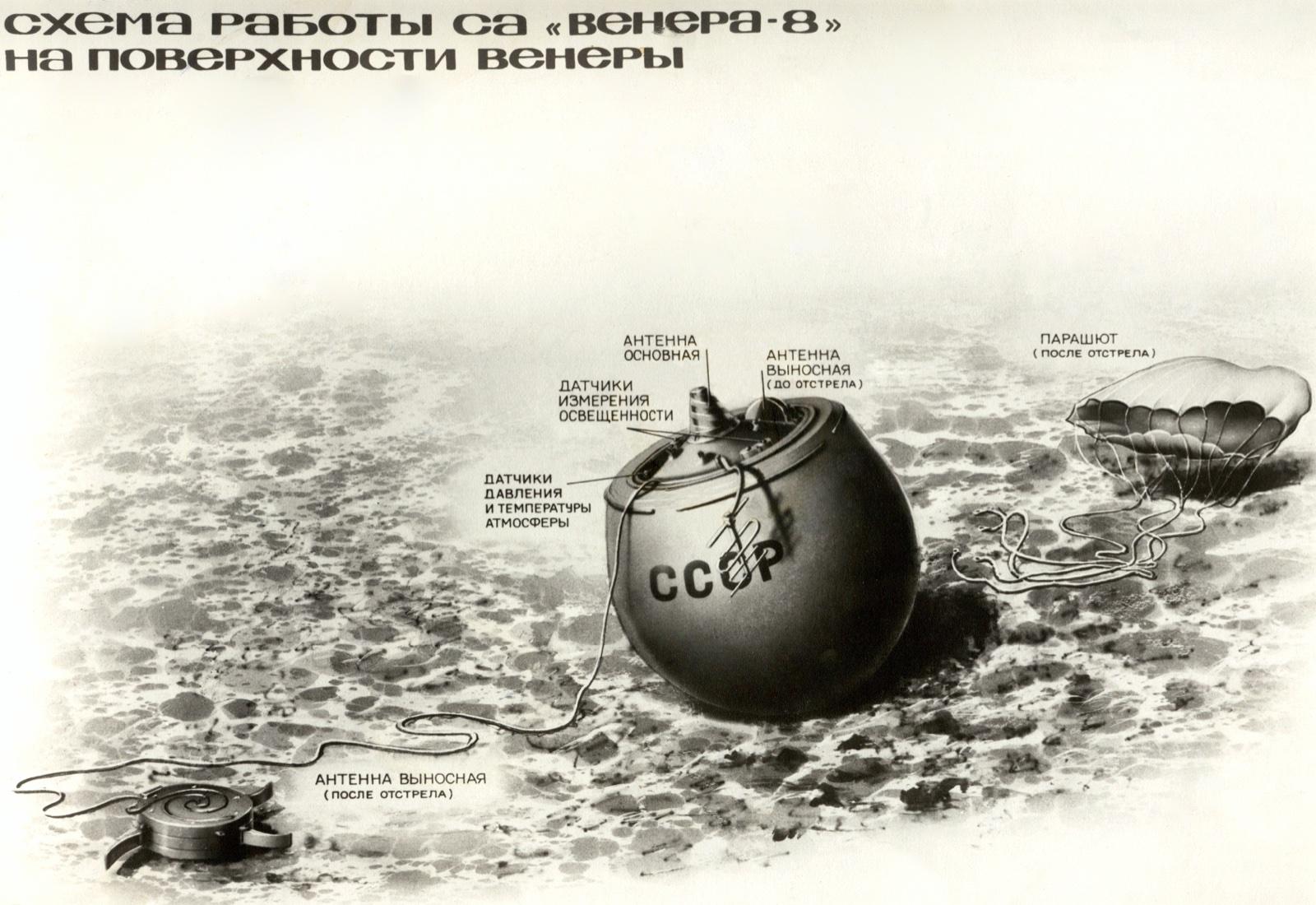
Venera 8 · 1972
Lavochkin design bureau · Lander Success
Ended 22 July 1972, after about 50 minutes of signals from the surface of Venus. The best estimate puts the lander within about 150 km of 10.7° S, 335.25° E, in eastern Vasilisa Regio.
The surface years 1974 to 1985
Mariner 10 at Venus · 1974
NASA and JPL · Flyby Success
Ended 24 March 1975, when the nitrogen for its pointing jets ran out. The Venus flyby of 5 February 1974 worked as planned: it returned 4,165 pictures and bent the spacecraft's path toward Mercury, which it passed three times.
Venera 9 and Venera 10 · 1975
NPO Lavochkin · Lander Success
Ended. Both landers were still working when their orbiting relays flew out of range, after 53 and 65 minutes on 22 and 25 October 1975. The orbiters sent data into 1976 and remain listed in orbit around Venus in Jonathan McDowell's catalogue (checked 5 November 2026).
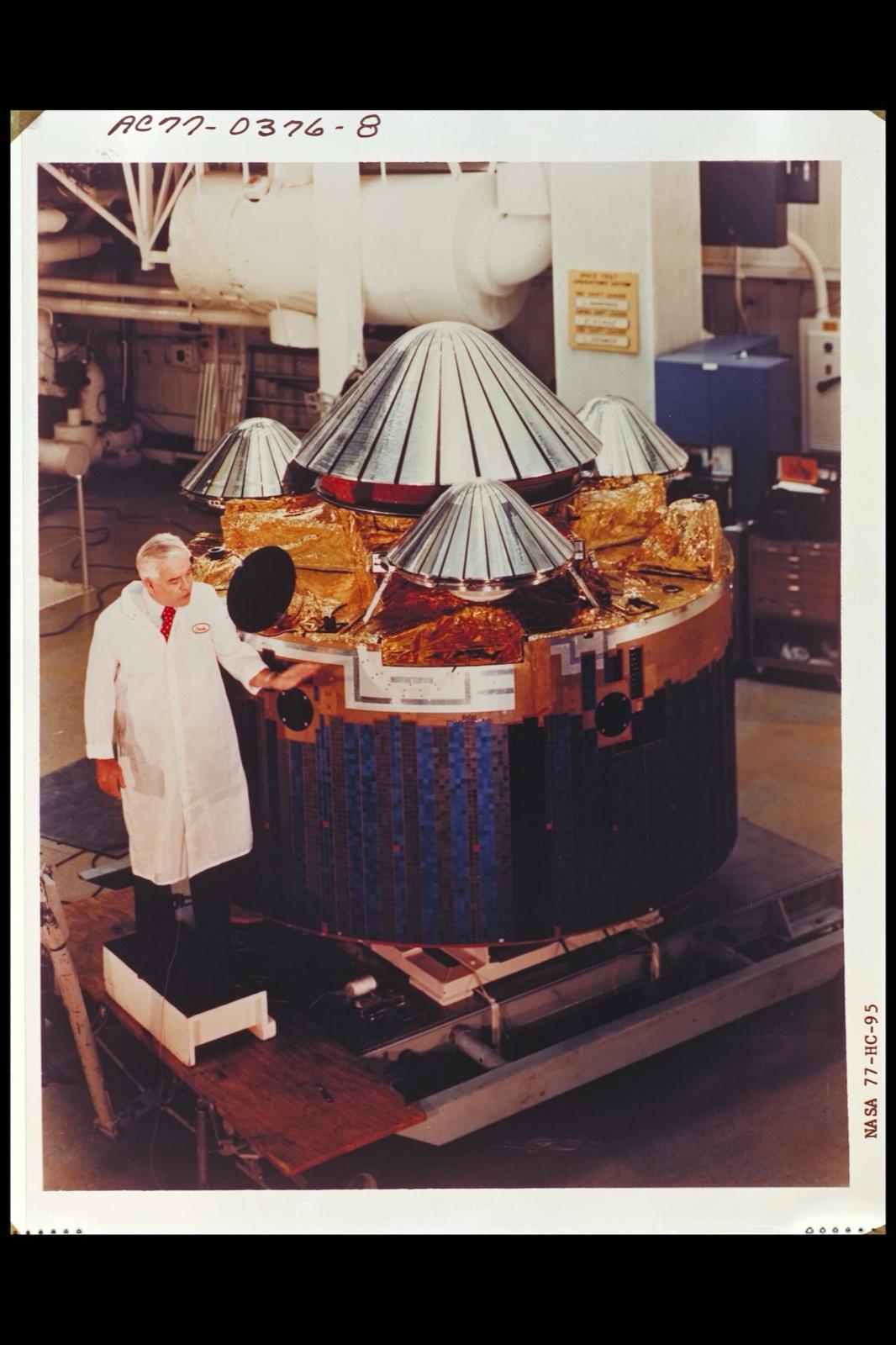
Pioneer Venus Multiprobe · 1978
NASA Ames · Atmospheric probe Success
Ended on arrival, 9 December 1978. All four probes sent data down to the surface, and the Day Probe kept transmitting from the ground for 67 minutes. The carrier bus burned up high in the atmosphere.
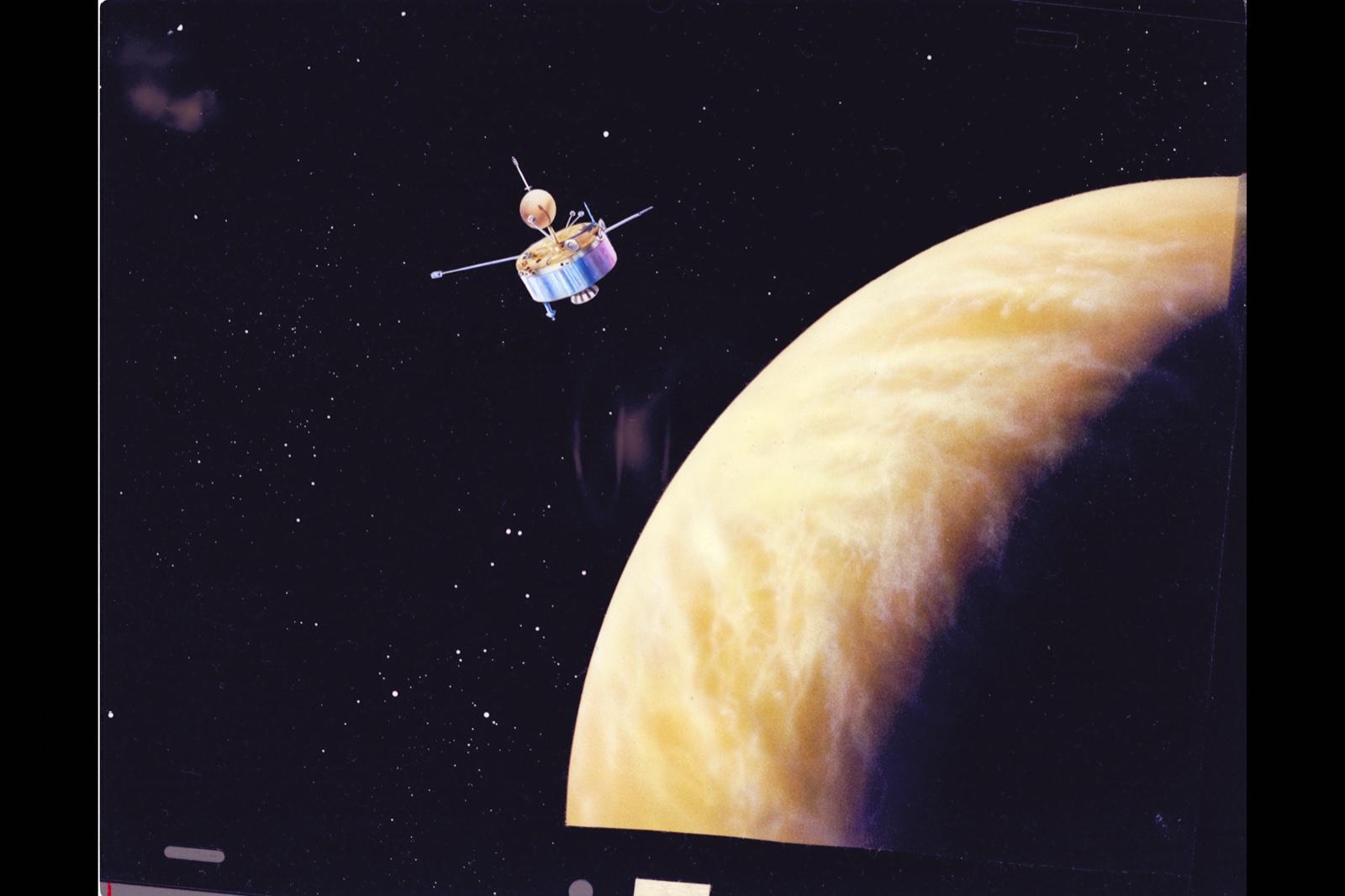
Pioneer Venus Orbiter · 1978
NASA Ames · Orbiter Success
Ended. Pioneer Venus Orbiter worked in orbit around Venus from 4 December 1978 until its last signal reached Earth on 8 October 1992, and then burned up in the atmosphere. A European version, studied in 1972 and 1973, never flew.
Venera 11 and Venera 12 · 1978
NPO Lavochkin · Lander Partial
Ended. Both landers sent data from the surface in December 1978, but no pictures or soil analysis. The carrier buses flew on around the Sun and were last heard from on 1 February 1980 (Venera 11) and 18 April 1980 (Venera 12).
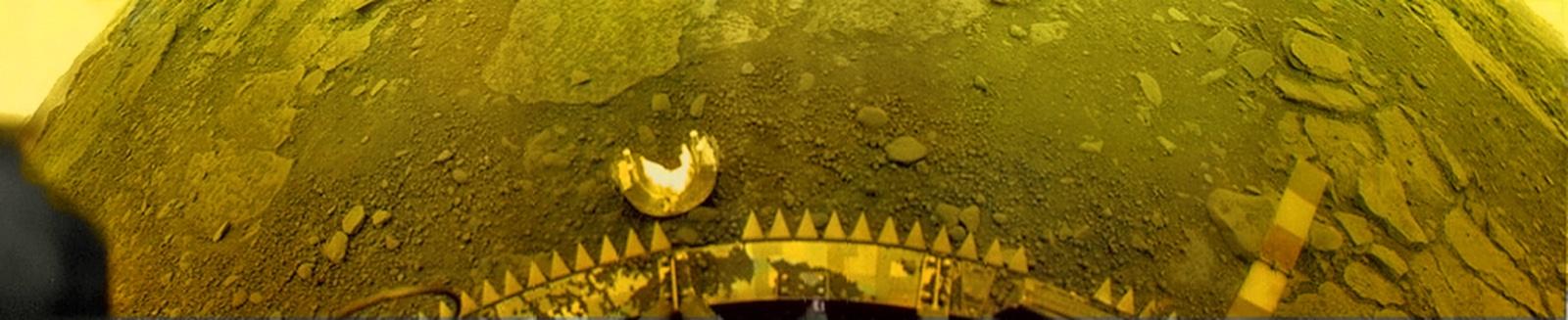
Venera 13 and Venera 14 · 1982
NPO Lavochkin · Lander Success
Ended. The Venera 13 lander worked on the surface of Venus for 127 minutes on 1 March 1982, and Venera 14 for 57 minutes on 5 March. Their flyby carriers went on into orbit around the Sun and were last heard from in April 1983.
Venera 15 and Venera 16 · 1983
NPO Lavochkin · Orbiter Success
Ended. Venera 15 fell silent in January 1985 after it ran out of the nitrogen it used to point itself, and Venera 16 in June 1985 after it obeyed a command meant for Vega 1. Both remain listed in orbit around Venus in Jonathan McDowell's GCAT catalogue (checked 26 September 2026).
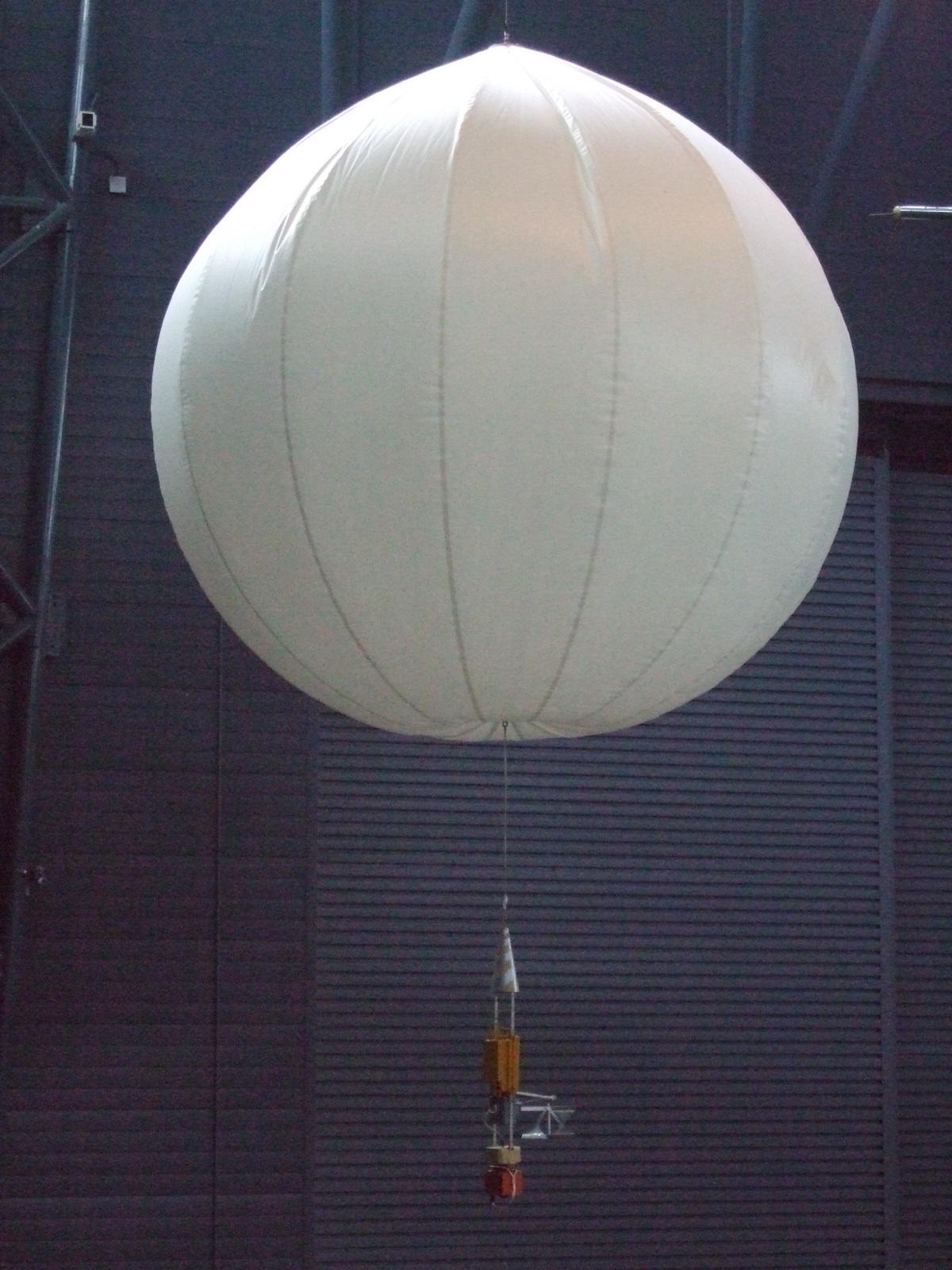
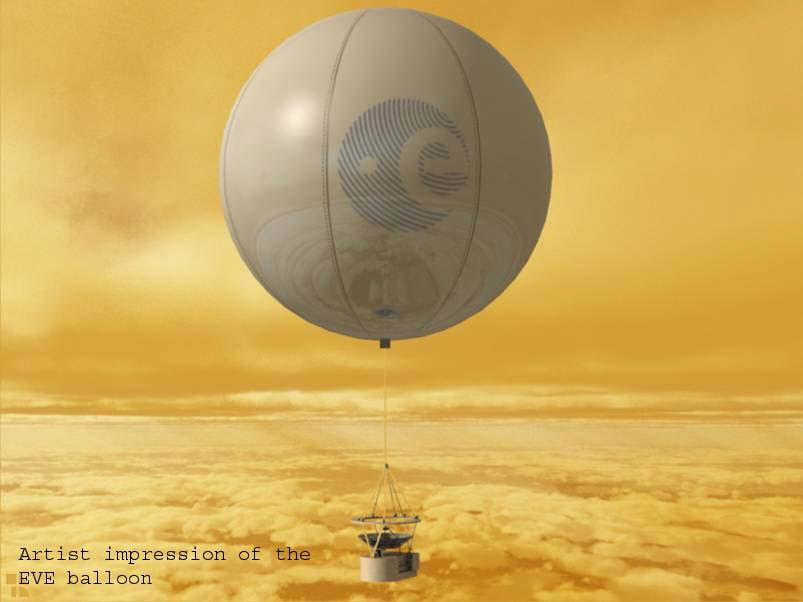
The Vega balloons · 1985
IKI, NPO Lavochkin and CNES · Balloon Success
Ended. Both balloons fell silent when their batteries ran down, Vega 1's on 13 June and Vega 2's on 17 June 1985, and where they drifted after that is unknown. Their measurements and tracks have been free to download from NASA's Planetary Data System since 2020 (checked 26 September 2026).
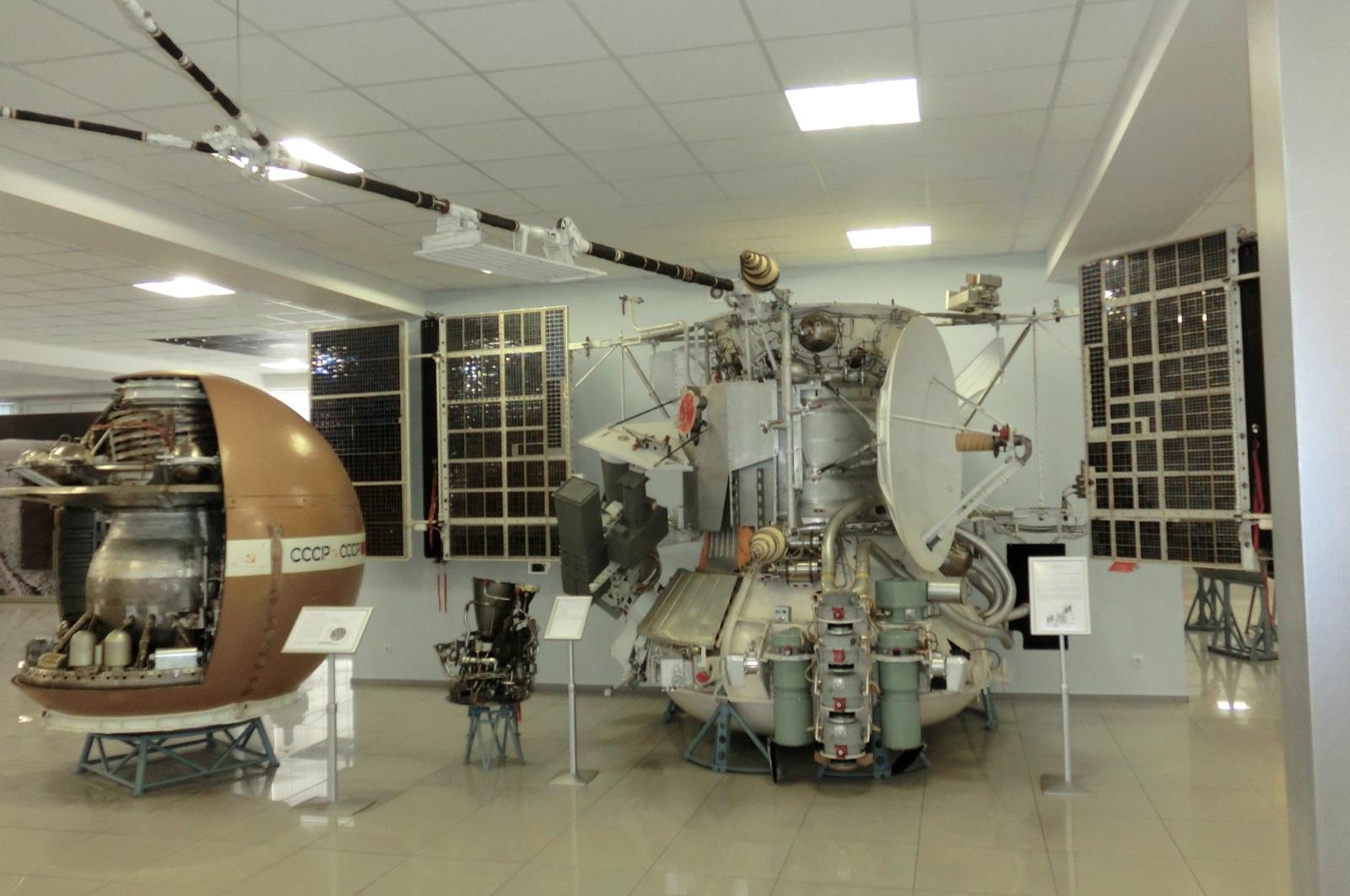
Vega 1 and Vega 2 · 1985
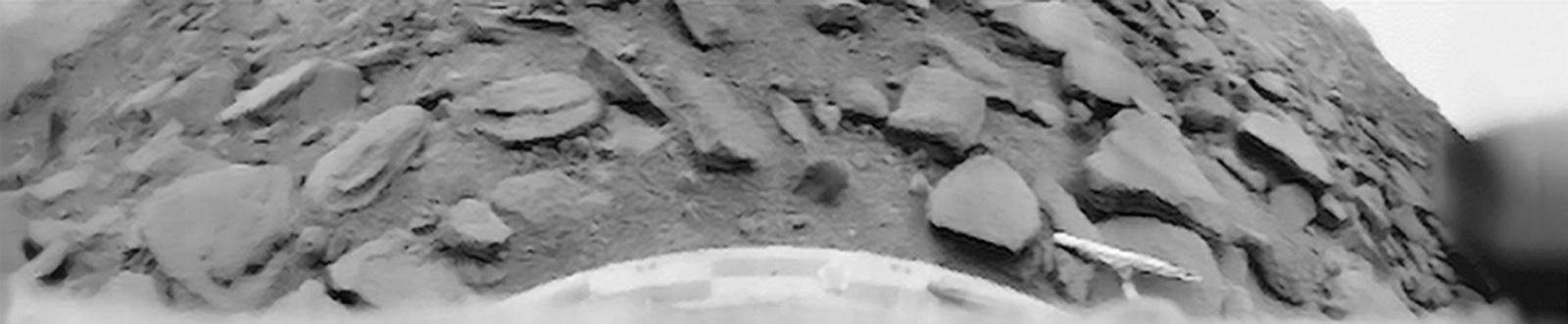
NPO Lavochkin and IKI · Lander Success
Ended. The last sessions with Vega 1 and Vega 2 were held on 30 January and 24 March 1987. Both carriers remain in orbit around the Sun, and both landers lie on Rusalka Planitia, the Mermaid Plain (checked 26 September 2026).
Radar, and the return 1989 to today
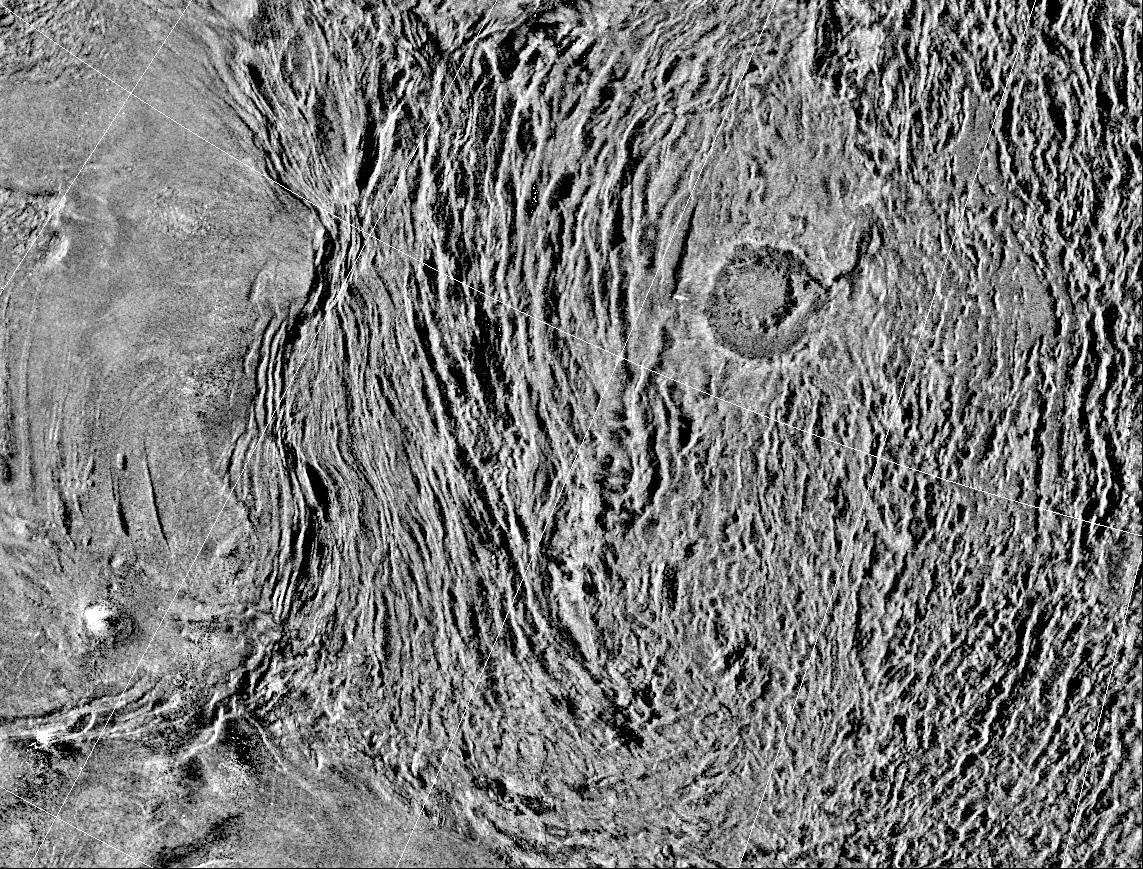
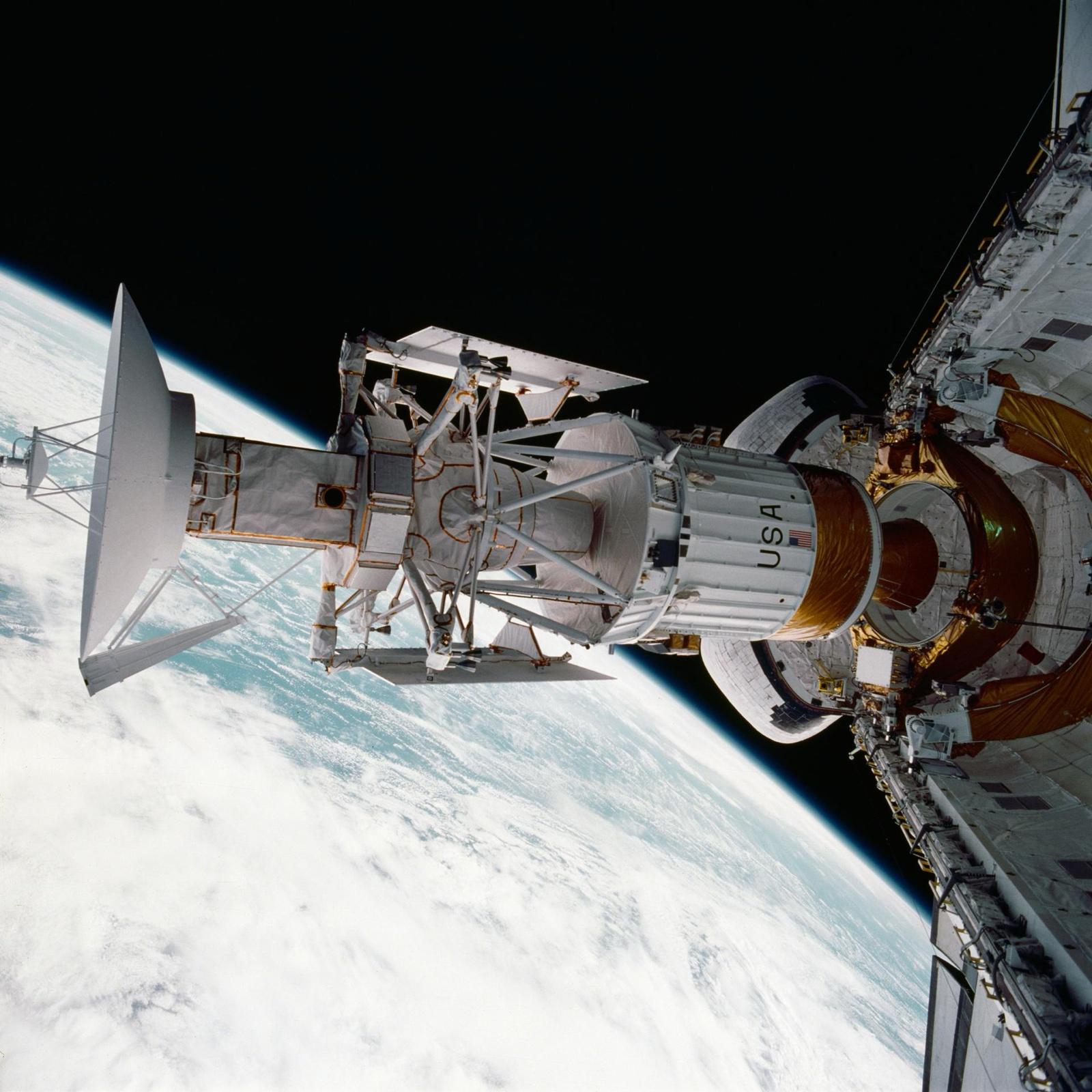
Magellan · 1990
NASA and JPL · Orbiter Success
Ended. Contact was lost on 12 October 1994 during a planned last plunge into the upper atmosphere, and the orbiter is presumed to have burned up soon after. Its radar images still feed new research, including a 2026 study of a lava tube and a published debate over fresh lava flows.
Every flyby of Venus · 1990
NASA, ESA, JAXA and others · Flyby Success
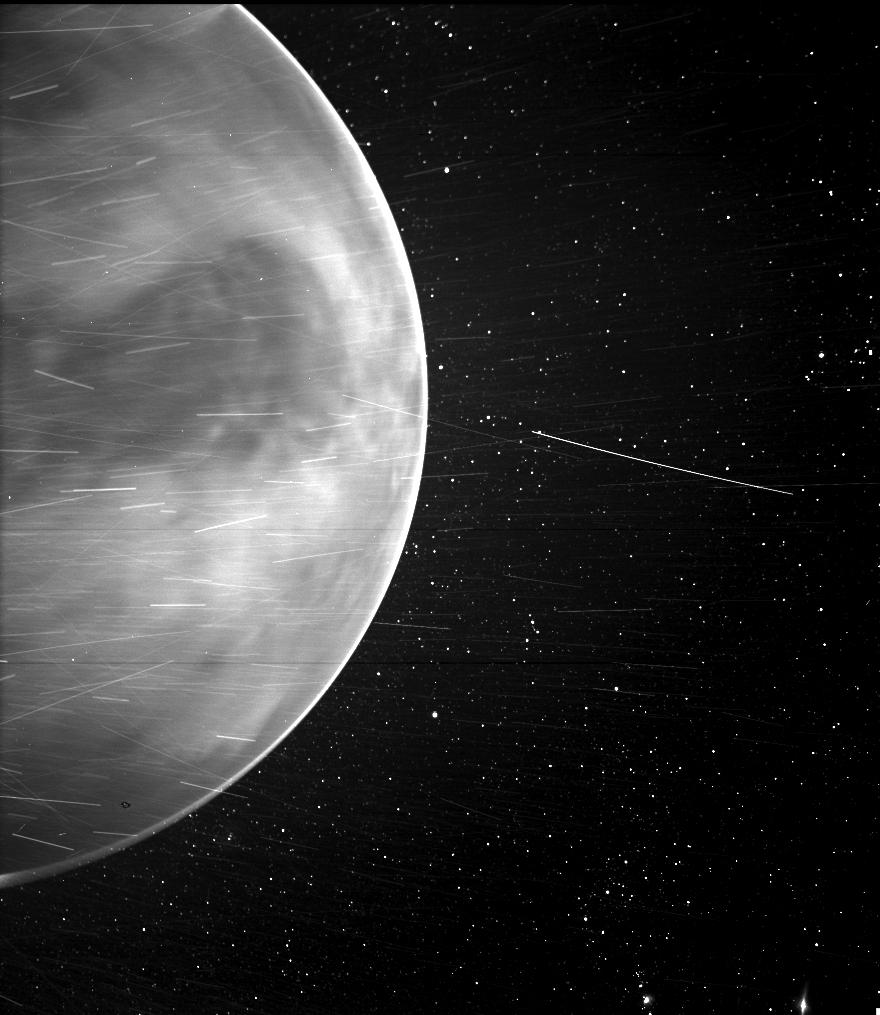
Solar Orbiter is the next spacecraft due at Venus, passing about 948 km above the surface at 22:58 UTC on 24 December 2026. The next newcomer is the UAE's MBR Explorer, due to launch in early 2028 and swing past Venus on its way to the asteroid belt.
Venus Express · 2006
ESA · Orbiter Success
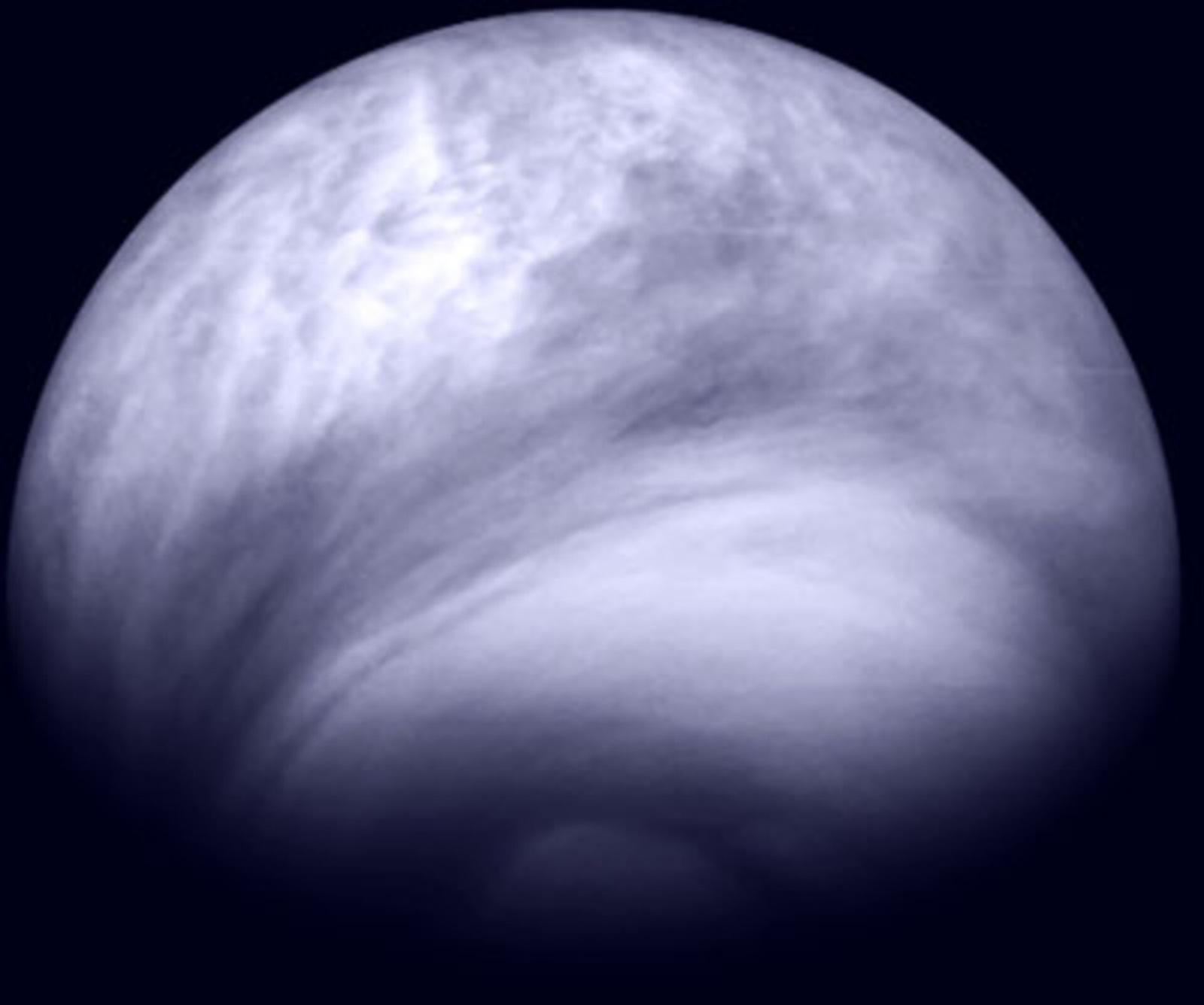
Ended. Venus Express lost contact on 28 November 2014, most likely because its propellant ran out, and ESA declared the mission over on 16 December 2014. A last, intermittent signal was heard on 19 January 2015.
Akatsuki, IKAROS and Shin-en · 2010
JAXA (ISAS) · Orbiter Ended
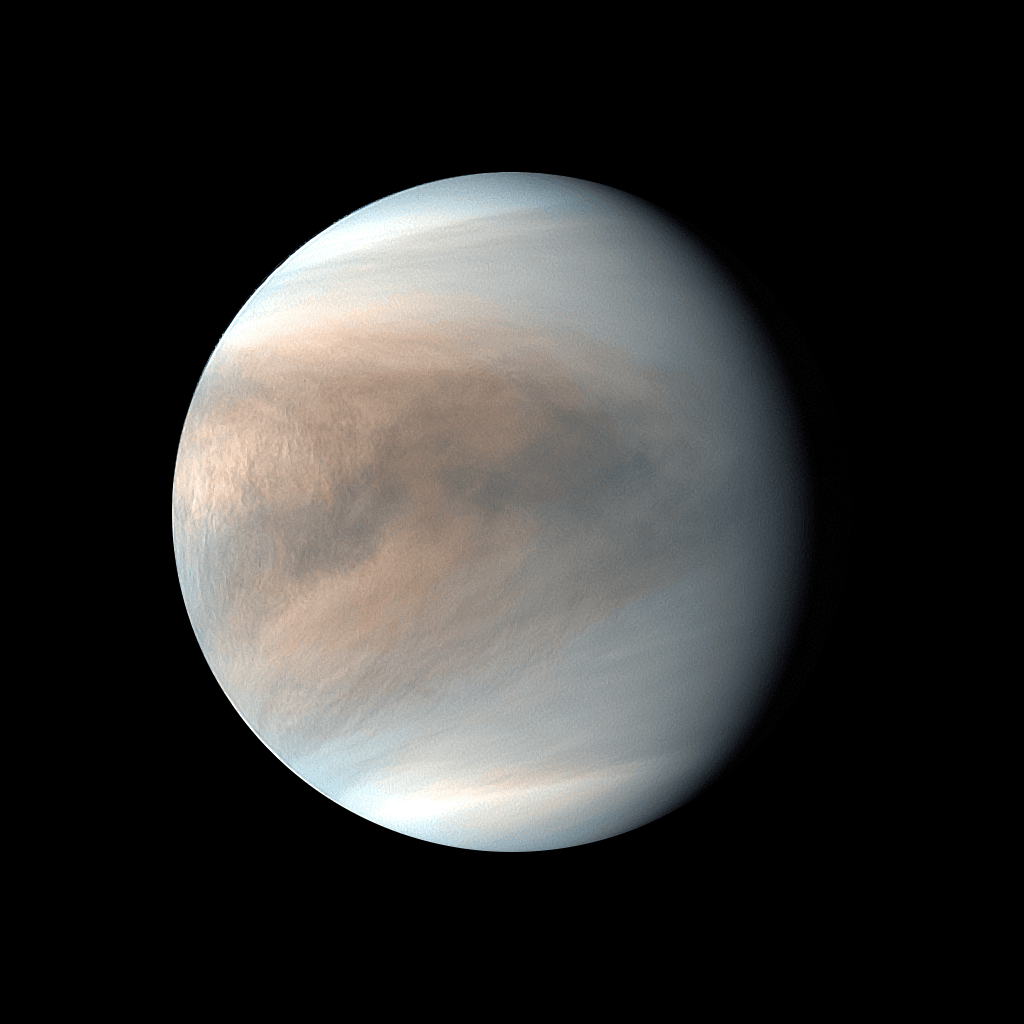
Ended. JAXA lost contact with Akatsuki at the end of April 2024 and ended the mission on 18 September 2025. The silent spacecraft is thought to be still in orbit around Venus. JAXA ended IKAROS's operations on 15 May 2025, and Shin-en's team never heard it after its first day in May 2010.
Announced what comes next
Nothing here has reached Venus. Dates are targets and they move.
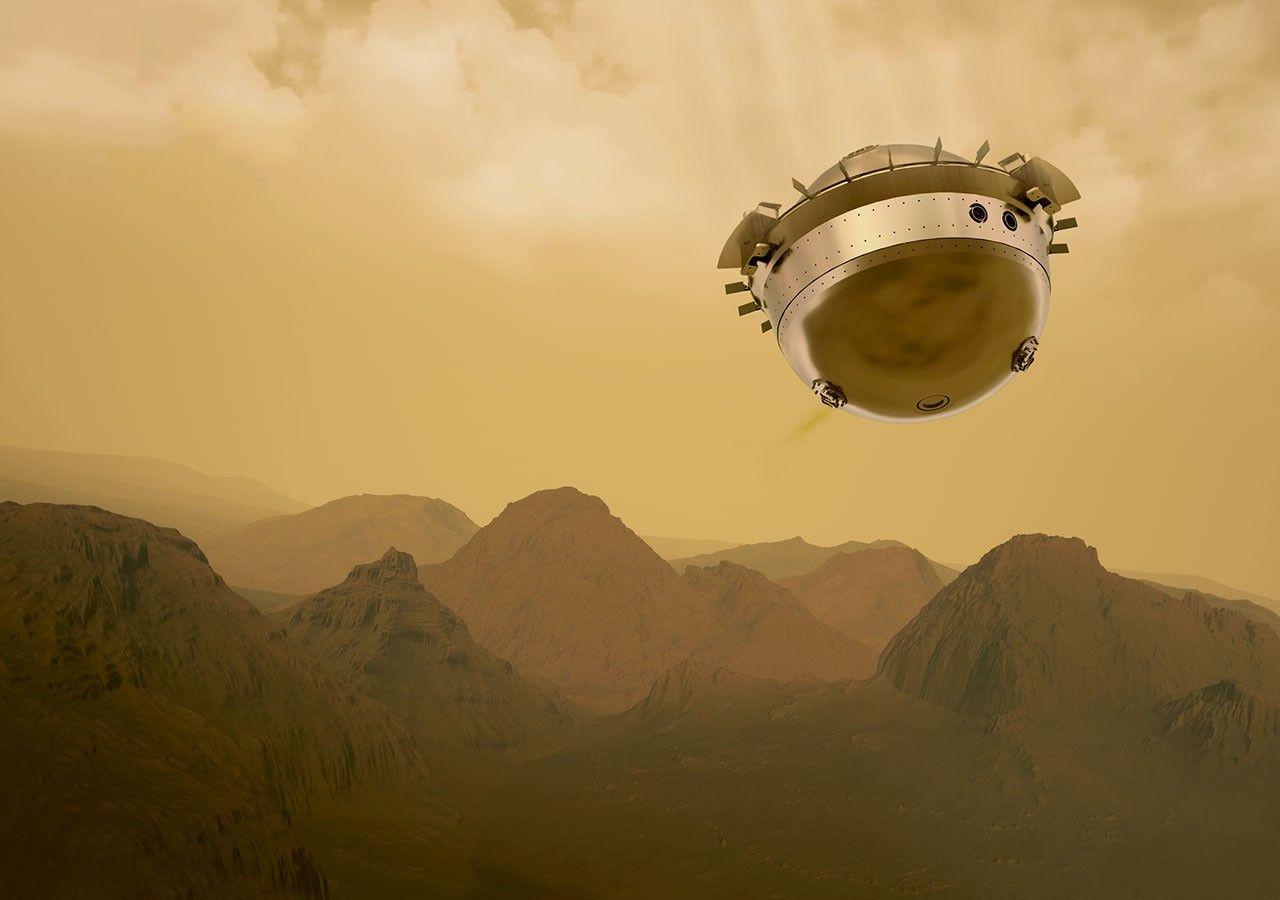
Venus Life Finder · 2027
Rocket Lab and MIT · Atmospheric probe In development
In development, with no launch date yet. Its science lead says the probe waits for Rocket Lab's Neutron rocket, which Rocket Lab now expects to make its first flight in 2027.
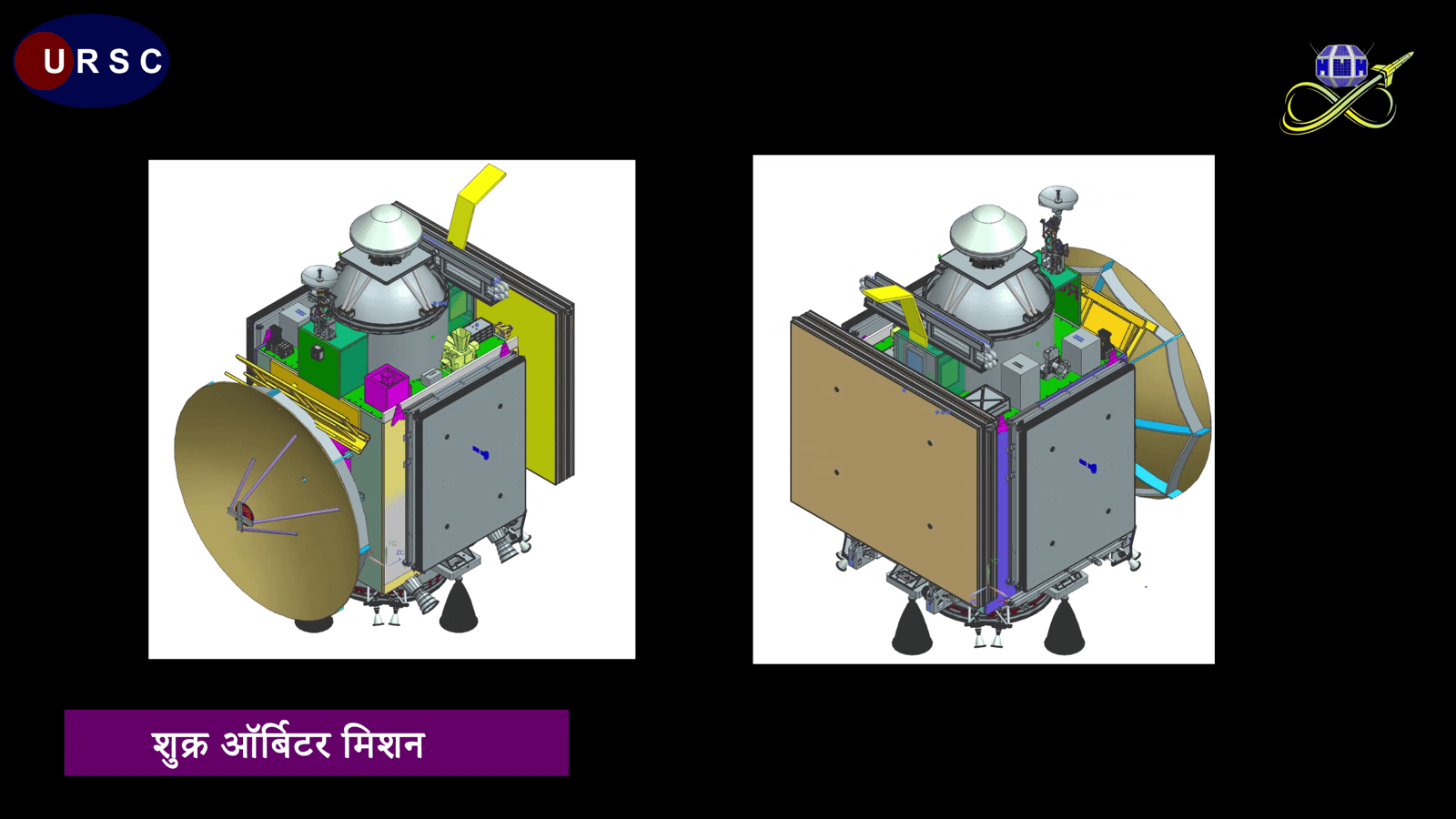
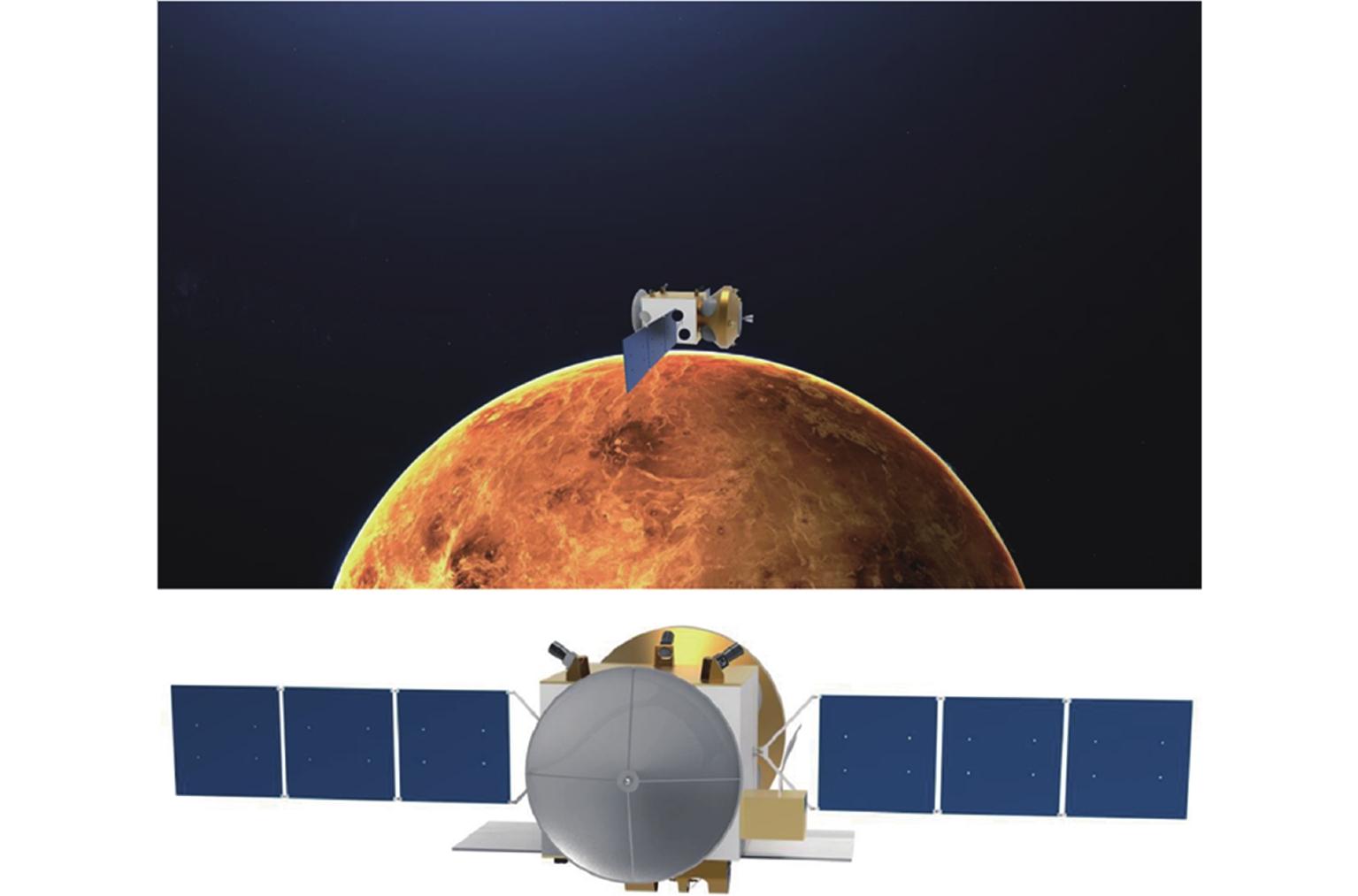
ISRO Venus Orbiter Mission · 2028
ISRO · Orbiter In development
In development: the design review is complete, and launch is planned for March 2028 on ISRO's LVM3 rocket.
China and Venus · 2030
CNSA and the Chinese Academy of Sciences · Programme Planned
No Chinese spacecraft has gone to Venus yet. China's 2024 space science plan names a Venus atmosphere sample return for 2028 to 2035, and route studies for Tianwen-4, its Jupiter mission, pass Venus in April 2030.
DAVINCI · 2030
NASA Goddard · Atmospheric probe In development
In development. DAVINCI now aims to launch in late December 2030, a year earlier than planned, and to release its probe for the plunge through the atmosphere of Venus on 3 October 2032. Congress funded it for fiscal year 2026 after the White House proposed ending it; funding for 2027 is not yet decided.
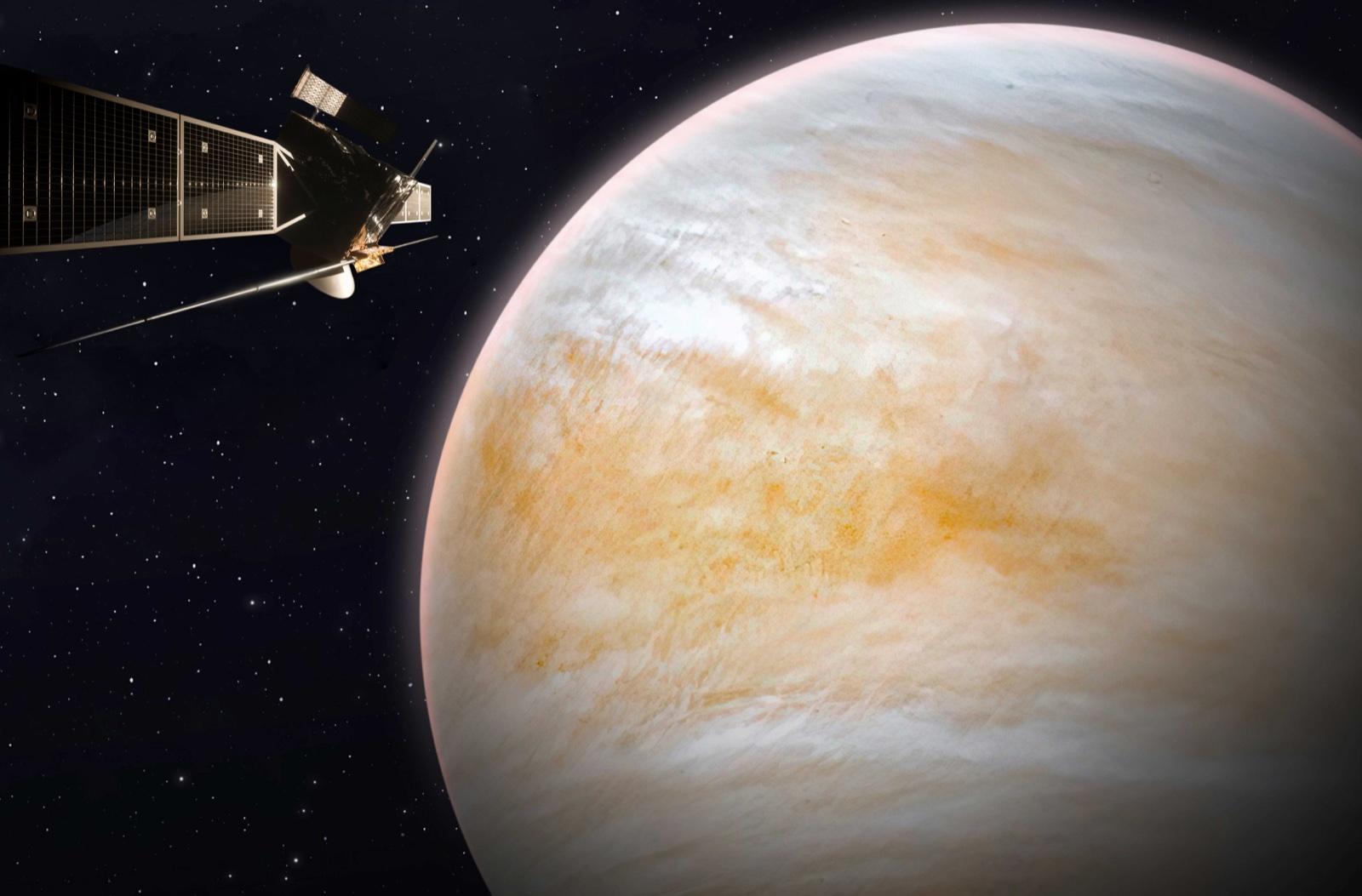
EnVision · 2031
ESA · Orbiter In development
In development. ESA's own pages give a November 2031 launch, while reports since September 2026 say it has moved to 2032, after NASA pulled out of supplying the main radar. Europe is developing its own radar, VeraSAR.
VERITAS · 2032
NASA and JPL · Orbiter In development
In development. VERITAS now aims to launch in November 2032 and reach Venus in mid-2033, its team said in October 2026. It has 24.0 million dollars for the 2026 budget year, and Congress has not yet decided its money for 2027 (checked 4 November 2026).
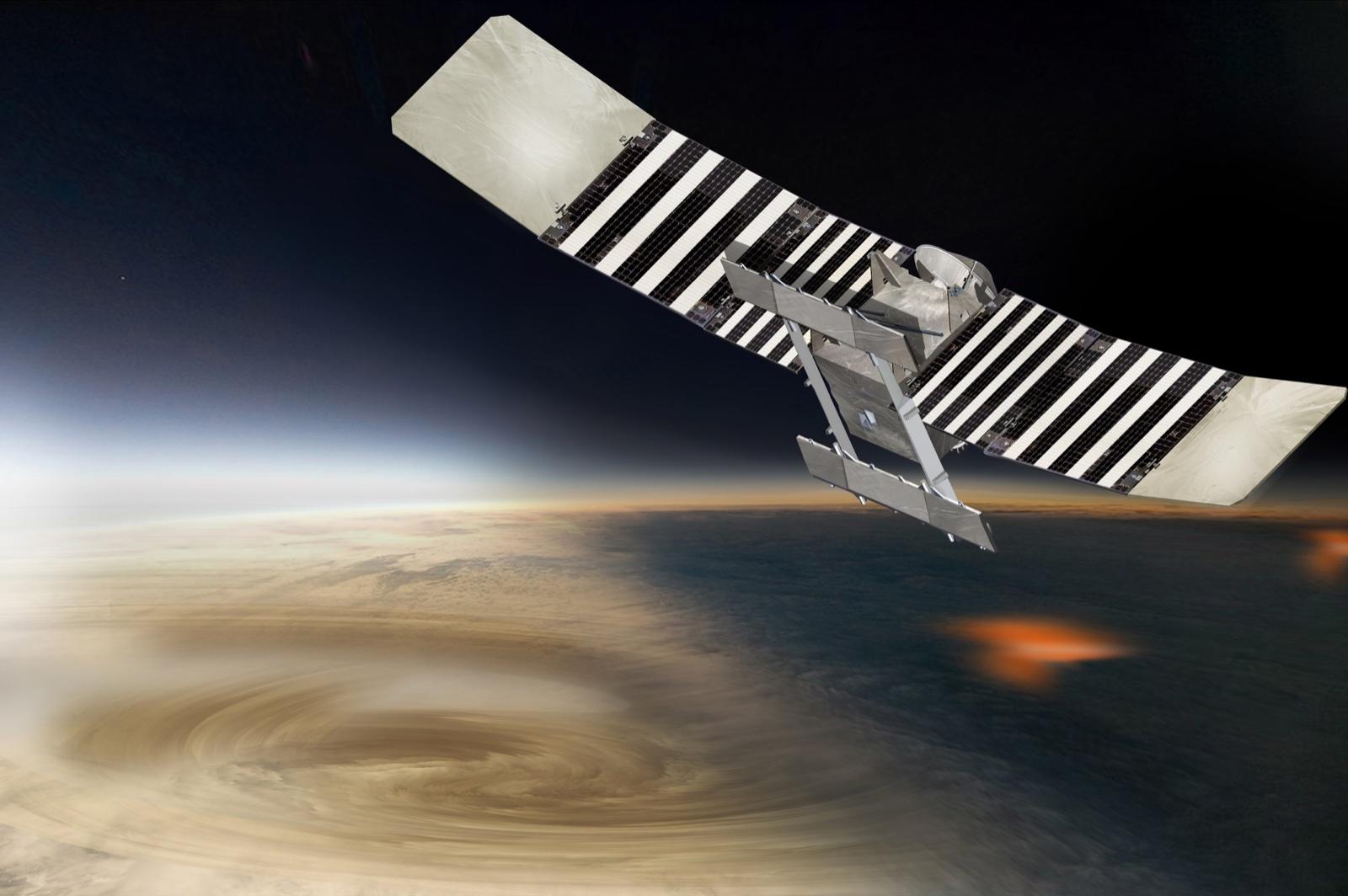
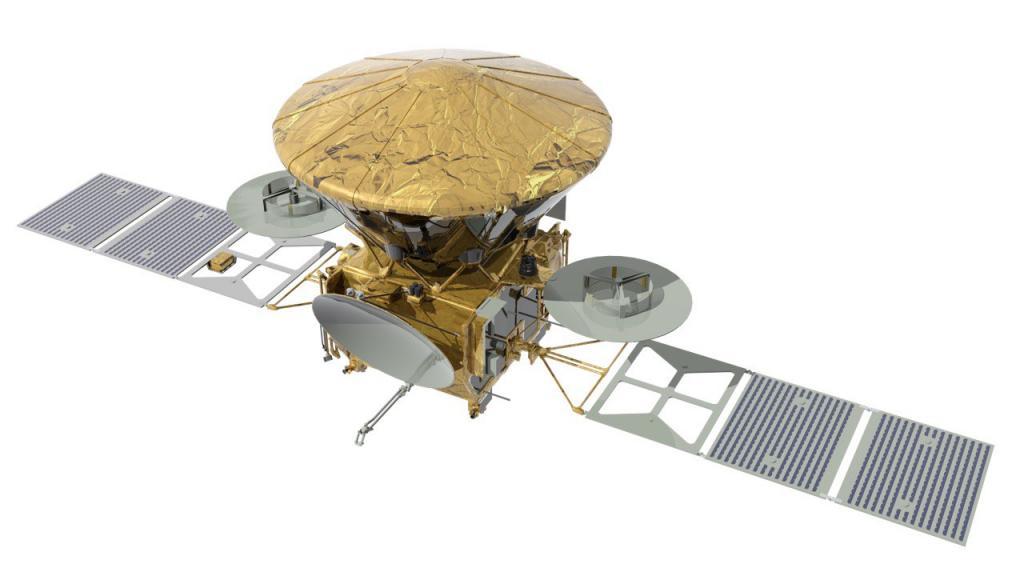
Venera-D · 2036
Roscosmos and NPO Lavochkin · Orbiter In development
In draft design, due to run from 2026 to 2028. Launch is planned for 2036.
Never flew 1960 to today
Designed, proposed or studied, and never launched.
Crewed missions to Venus · 1967
OKB-1, OKB-52 and NASA · Programme Cancelled
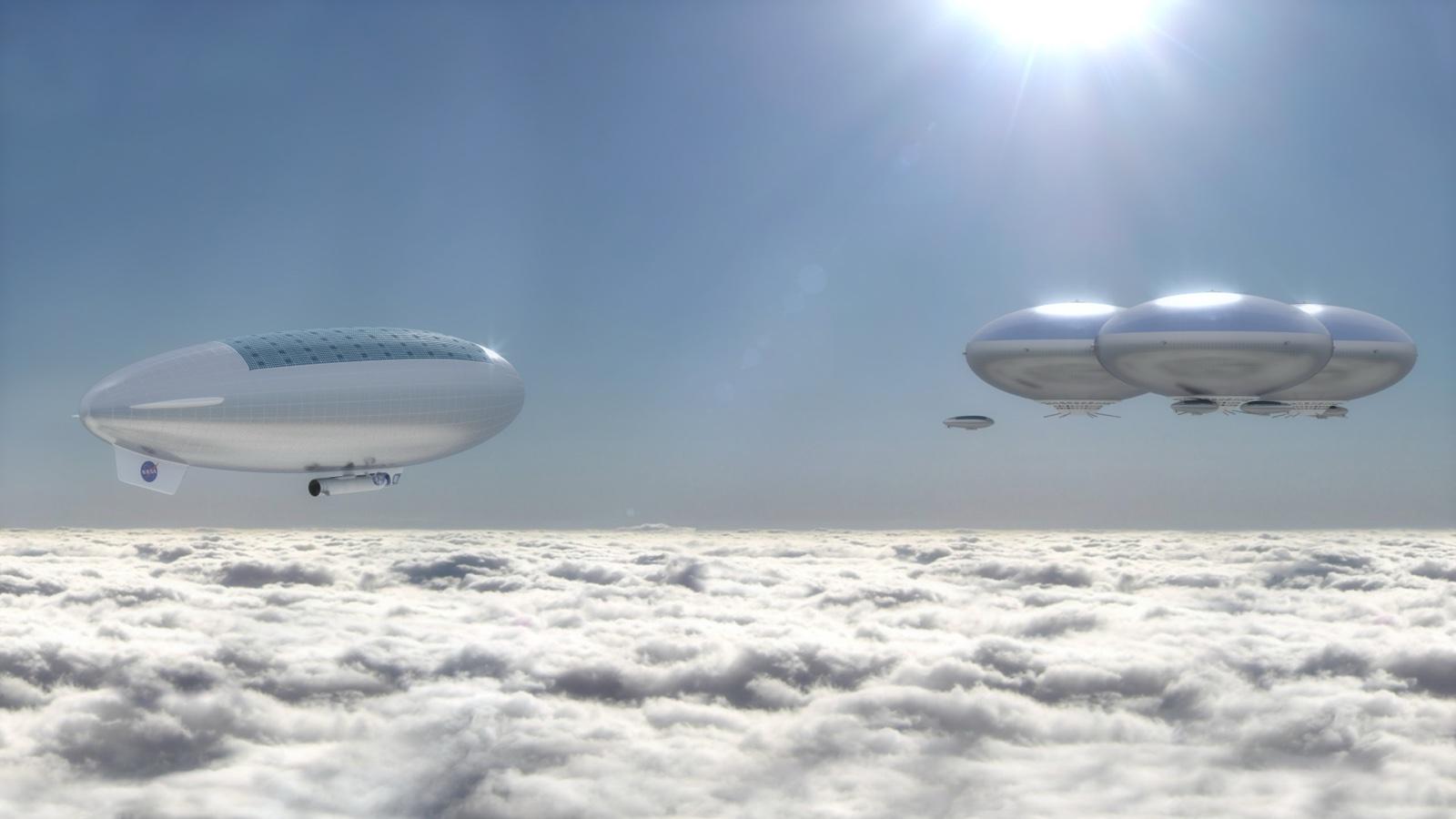
Never flown. Crewed Venus flybys, orbiters and even a landing were planned in the Soviet Union and the United States from 1960, and floating cloud habitats later, but every plan stayed on paper.
Soviet Venus projects · 1976
NPO Lavochkin · Programme Cancelled
Never flown. The Russian Venus mission in development is Venera-D, an orbiter and lander whose draft design runs from 2026 to 2028 (checked 26 September 2026).
Proposals that lost · 1994
NASA and ESA proposal teams · Programme Cancelled
None of these proposals flew as designed, though DAVINCI and VERITAS, turned down in 2017, won in revised form in June 2021. No Venus mission has won New Frontiers, NASA's larger competition, and NASA left Venus out of the draft for its next round, now expected in 2027.
On the drawing board · 2009
NASA, ESA and others · Programme Cancelled
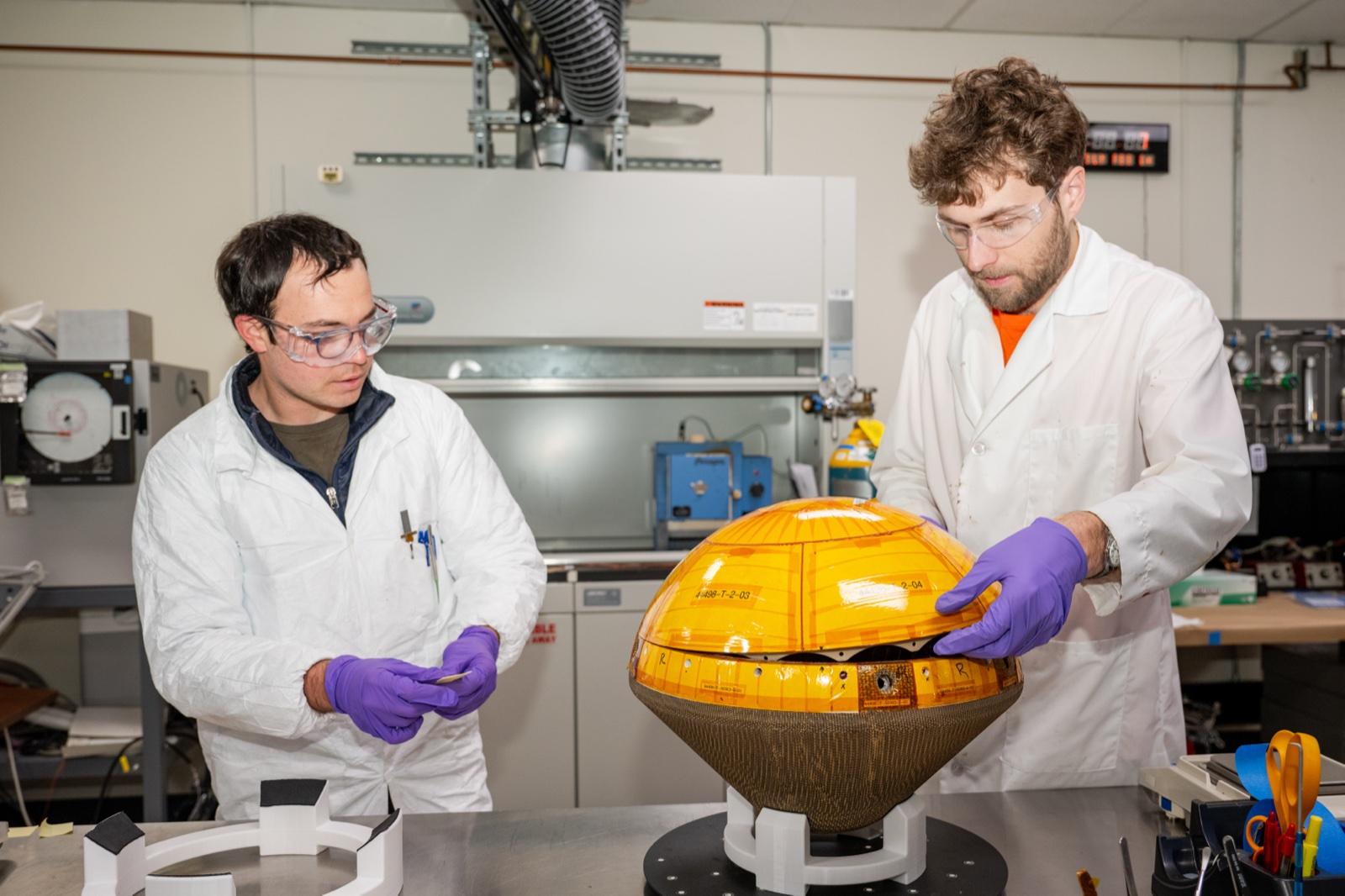
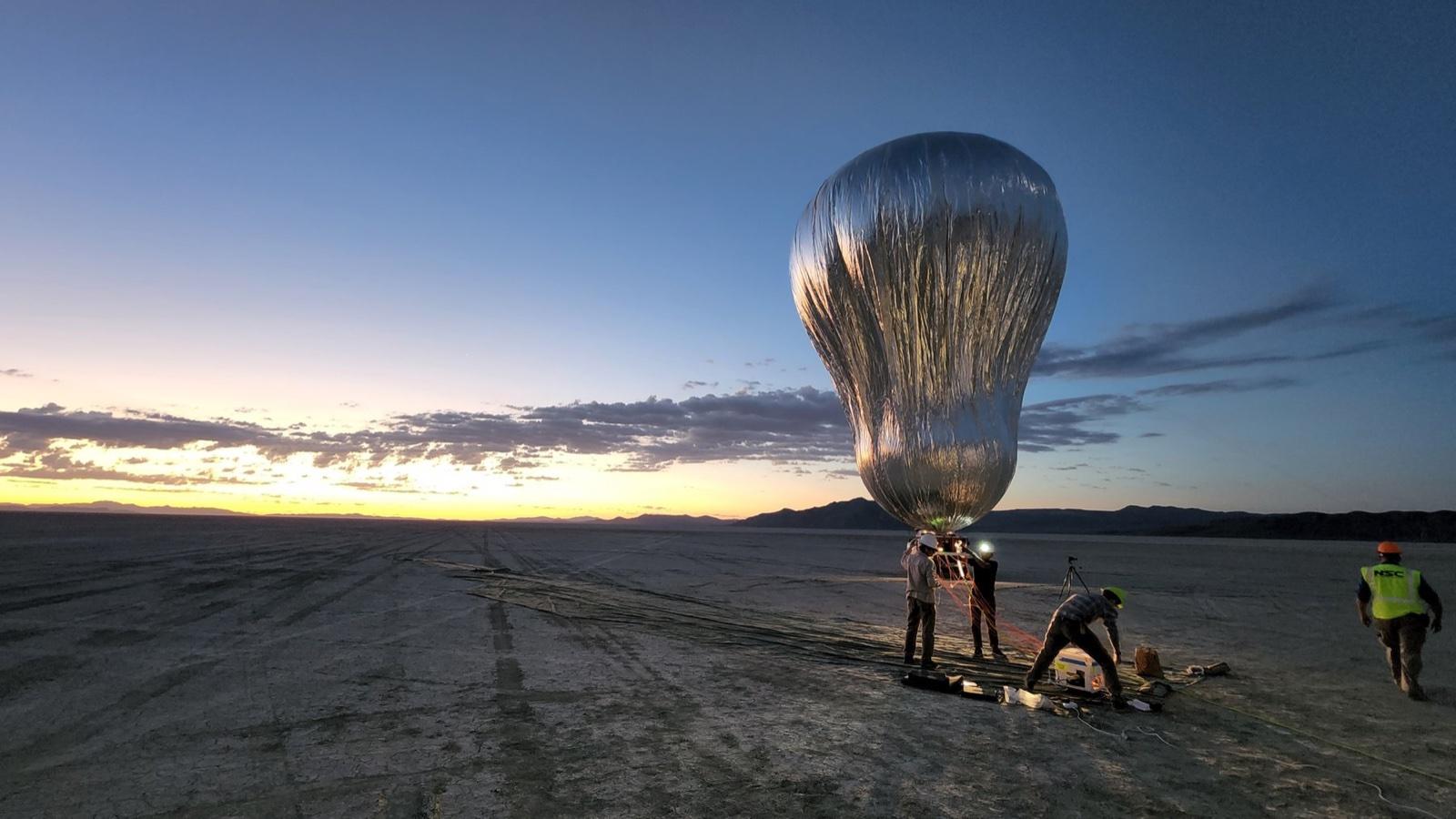
Never flown. No design on this page is funded to fly, though a few, such as the CANVAS rover, are still being studied. The hardware built so far has been tested only on Earth. NASA's 2027 budget request would close the small fund that develops Venus hardware; Congress has not yet decided.
Understanding Venus
The questions a list of spacecraft cannot answer: what the clouds are made of, how hot the ground is, how long a day lasts there, whether anything lives in the clouds and whether Venus ever had oceans.
- The atmosphere of VenusVenus's atmosphere: carbon dioxide at 92 bar, sulfuric acid clouds that circle the planet in four days, and open puzzles from shifting winds to lightning.
- Transits of VenusThe next transit of Venus is on 10 to 11 December 2117. How transits measured the Sun's distance, from Horrocks in 1639 to SDO, Hinode and Hubble in 2012.
- The Venus we imaginedSwamps, a world ocean, seas of oil and pulp jungles: how Venus was imagined before spacecraft, and how radio, Mariner 2 and Venera 7 ended it.
- Mapping VenusHow radar mapped Venus through the clouds from 1961 to Magellan, why nearly all its 1,985 names honour women and goddesses, and why Skadi Mons was dropped.
- Venus timeA day on Venus lasts 116.75 Earth days from sunrise to sunrise, and one backward turn takes 243. Why the Sun rises in the west and the spin changes.
- What we left at VenusWhat humans left on Venus: landers, crushed probes, heat shields, balloons, fallen orbiters and the silent Akatsuki, and what is known of where each lies.
- Landing on VenusTen Soviet landers reached the surface of Venus from 1970 to 1985. How they got down, and why their published positions disagree by hundreds of km.
- Pictures from the surface of VenusEvery picture ever taken on the surface of Venus: how the Venera 9, 10, 13 and 14 cameras worked, what they show, the lost lens caps and the missing sound.
- Did Venus have oceans?Did Venus ever have oceans? What its heavy hydrogen, rival climate models and 2026 research say, plus terraforming and Venus-like exoplanets.
- Life on VenusIs there life on Venus? None has been found. The phosphine dispute, the ammonia signal and what the acid clouds allow, checked 4 November 2026.
- Volcanoes on VenusIs Venus still erupting? The evidence from sulfur dioxide, infrared hotspots and changing Magellan radar images, and the argument over its young surface.
- Venus in the skyWhy Venus is the morning and evening star, why it has phases and an 8-year cycle, where it is in late 2026, and Zoozve, the asteroid named by a typo.
azmth is independent and is not affiliated with or endorsed by NASA, Roscosmos, NPO Lavochkin, ESA, JAXA, ISRO, CNSA, or any other space agency or company named on this page.